

What Is a Drum Gear Coupling?
A Drum Gear Coupling is a type of mechanical coupling designed to transmit high torque between two rotating shafts while accommodating misalignment. It is widely used in heavy-duty industrial equipment where reliability, load capacity, and long-term stability are critical.
Unlike simple rigid couplings, a Drum Gear Coupling uses gear teeth to transfer torque efficiently. Its robust structure makes it suitable for demanding environments such as steel plants, mining equipment, and large-scale manufacturing systems. Because these applications often require consistent quality and repeatable performance, controlled production and manufacturer-level processes play an important role in ensuring dependable operation.
The Basic Function of a Drum Gear Coupling
The primary function of a Drum Gear Coupling is to connect two shafts and transmit torque from a driving unit to a driven unit. At the same time, it allows for angular, axial, and slight parallel misalignment between the shafts.
This flexibility helps reduce stress on connected components such as bearings and gearboxes. In continuous-operation systems, the Drum Gear Coupling contributes to smoother power transmission and improved equipment lifespan.
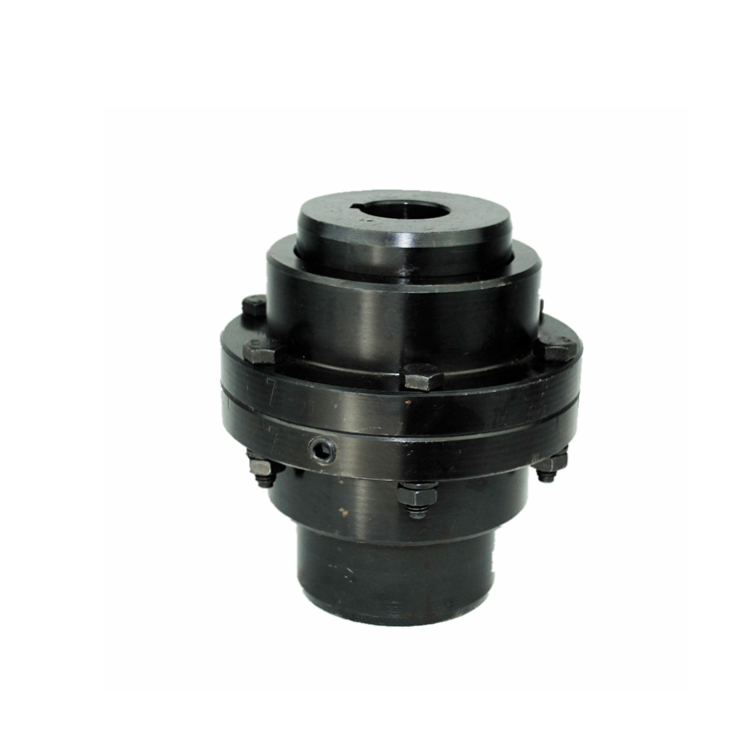
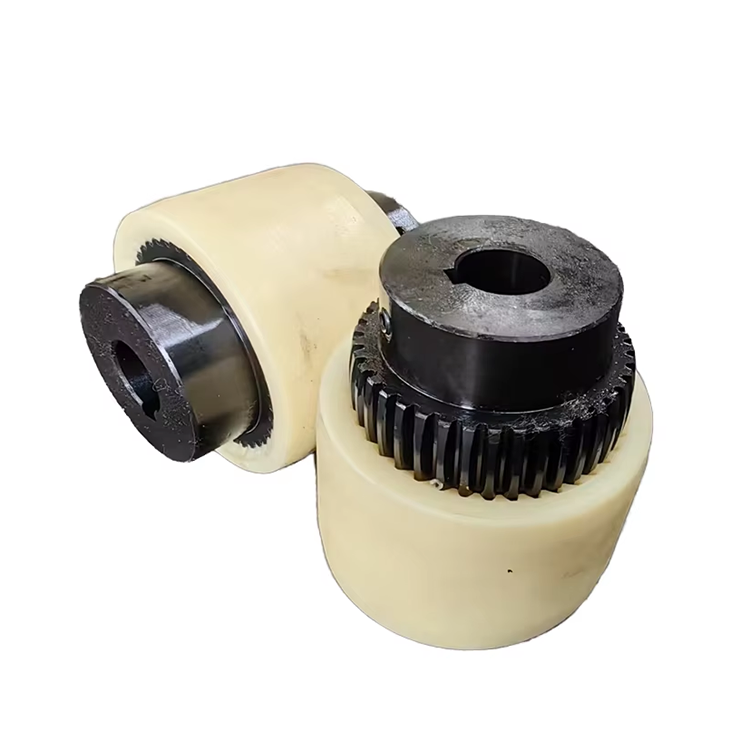
How a Drum Gear Coupling Works
A Drum Gear Coupling operates by engaging gear teeth on the coupling hubs with internal gear teeth on the outer sleeve or drum. As the shafts rotate, torque is transferred through these meshing teeth.
The crowned gear tooth design allows the coupling to compensate for misalignment while maintaining full contact under load. This design principle helps distribute forces evenly, reducing localized wear and improving durability. During production, maintaining accurate tooth geometry is essential to ensure stable performance in real-world applications.
Main Components of a Drum Gear Coupling
Most Drum Gear Coupling designs include the following key components:
·Gear hubs mounted on each shaft
·A drum or sleeve with internal gear teeth
·Seals to retain lubrication and protect against contamination
·Fastening elements to secure the assembly
Each component must be manufactured with precise tolerances. Manufacturer-level production control ensures that these parts fit together correctly and perform consistently, especially when supplied in bulk quantities.
Key Advantages of Drum Gear Coupling Design
Drum Gear Coupling solutions are favored in heavy-duty applications due to several advantages:
·High torque transmission capacity
·Ability to handle multiple types of misalignment
·Compact design relative to load capability
·Long service life under proper lubrication
These characteristics make the Drum Gear Coupling a preferred choice for industrial users who prioritize reliability and performance.
Typical Applications of Drum Gear Coupling
Drum Gear Coupling products are commonly used in:
·Rolling mills and steel processing equipment
·Mining and material handling machinery
·Conveyors and heavy-duty drives
·Power generation and cement plants
In these environments, consistent production quality and reliable bulk supply are essential to support installation, maintenance, and long-term operation.
Manufacturing and Production Considerations
Producing a high-quality Drum Gear Coupling requires careful control over materials, machining processes, and heat treatment. Gear tooth accuracy, surface finish, and hardness all influence performance and lifespan.
From a manufacturing perspective, standardized production processes help ensure that each Drum Gear Coupling meets defined performance requirements. For industrial buyers, sourcing from a manufacturer with stable production capacity reduces supply risks and supports large-scale deployment.
Installation and Maintenance Overview
Proper installation is critical to the performance of a Drum Gear Coupling. Shafts should be aligned within recommended limits, and fasteners must be tightened according to specified torque values.
Regular maintenance, including lubrication checks and seal inspection, helps extend service life. Early detection of abnormal wear can prevent unexpected downtime and reduce repair costs.
Why Production Capability Matters for Industrial Users
Industrial applications often require Drum Gear Coupling products in consistent specifications over extended periods. Manufacturer-level production capability ensures repeatability, traceability, and dependable bulk supply.
Stable production also supports faster lead times and smoother project execution, especially for large equipment installations or maintenance programs.
Final Thoughts on Drum Gear Coupling
A Drum Gear Coupling is a critical component in heavy-duty power transmission systems, offering high torque capacity, misalignment compensation, and long-term reliability. Its robust design makes it suitable for demanding industrial environments where performance consistency is essential.
As industrial systems continue to evolve, the importance of reliable Drum Gear Coupling production, controlled manufacturing processes, and dependable bulk supply will remain central to meeting the needs of modern heavy machinery.
References
GB/T 7714:Mott R L. Machine elements in mechanical design[M]. Pearson Educación, 2004.
MLA:Mott, Robert L. Machine elements in mechanical design. Pearson Educación, 2004.
APA:Mott, R. L. (2004). Machine elements in mechanical design. Pearson Educación.