

Why Coupling Matters in Mechanical Systems
In modern industrial and automotive applications, efficient power transmission is essential. One key component that makes this possible is the coupling. A coupling connects two rotating shafts and allows torque to move smoothly from one part of a machine to another. Without a reliable coupling, even the most advanced mechanical system would struggle with vibration, misalignment, and energy loss.
From a professional coupling manufacturer and factory production perspective, couplings are engineered to handle load, speed, and environmental stress while maintaining stable operation. With scalable production and factory batch supply, coupling solutions are delivered consistently for OEM assembly, maintenance markets, and large industrial projects.
Understanding the basic function of a coupling helps engineers and buyers choose the right design for performance, durability, and long-term system stability.
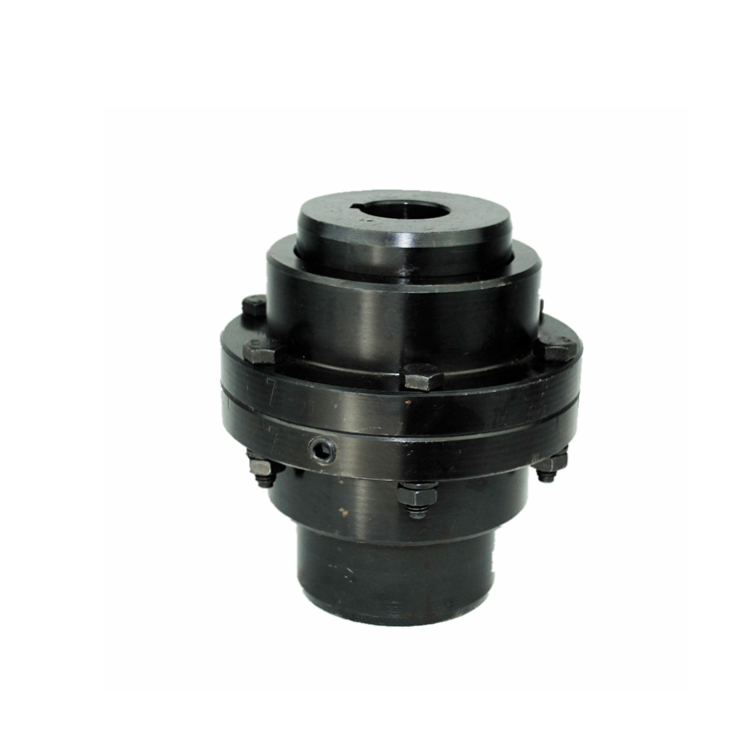
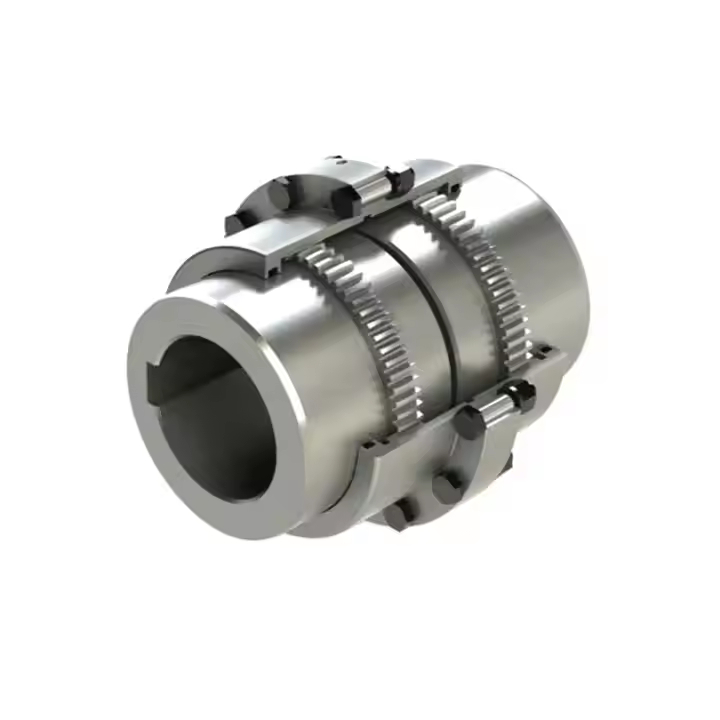
What Is a Coupling?
A coupling is a mechanical device used to connect two shafts together at their ends for the purpose of transmitting power. It allows rotational energy from a driving shaft to be transferred to a driven shaft efficiently and safely.
Typical functions of a coupling include:
·Transmitting torque and motion
·Compensating for shaft misalignment
·Reducing vibration and shock loads
·Protecting equipment from overload
During professional manufacturer production, couplings are machined or molded with precision tolerances to ensure consistent fit and performance. Through advanced factory production processes, each coupling is tested for dimensional accuracy and mechanical strength before entering batch supply channels.
Core Functions of a Coupling in Mechanical Systems
The main role of a coupling is power transmission, but its real value goes far beyond that.
Torque Transmission
The most basic function of a coupling is to transfer torque from the driver (motor, engine, gearbox) to the driven equipment (pump, compressor, conveyor, or axle).
A well-designed coupling ensures:
·Minimal power loss
·Stable rotational speed
·High load capacity
With standardized factory production, torque ratings are controlled so that each batch performs consistently in real-world applications.
Misalignment Compensation
In practical installations, shafts are rarely perfectly aligned. Thermal expansion, mounting tolerance, and vibration cause deviations.
A quality coupling compensates for:
·Angular misalignment
·Parallel misalignment
·Axial movement
By absorbing these small errors, the coupling protects bearings, seals, and shafts from premature wear. During manufacturer production, flexible elements are engineered to balance stiffness and elasticity for long service life.
Vibration and Shock Reduction
Machines generate vibration. If this vibration is transferred directly between shafts, it can damage components.
A properly selected coupling reduces:
·Torsional vibration
·Impact shock
·Noise transmission
Through controlled factory production, damping materials or flexible structures are incorporated to smooth torque fluctuations and improve overall system stability.
Equipment Protection
Another critical function of a coupling is system protection. When overload occurs, the coupling can act as a buffer between driving and driven equipment.
Protection benefits include:
·Limiting torque spikes
·Preventing shaft breakage
·Reducing gearbox stress
From a manufacturer production standpoint, coupling strength and safety margins are verified to ensure reliability in industrial environments.
Types of Couplings and Their Functional Differences
Different applications require different coupling designs. Each type supports the basic function in a unique way.
Rigid Couplings
Rigid couplings provide high torque transmission but require precise alignment. They are often used in stable installations where vibration is minimal.
Factory production control ensures accurate bore and surface finish for tight shaft connection.
Flexible Couplings
Flexible couplings are the most common choice. They accommodate misalignment and reduce vibration while still transmitting torque efficiently.
Advantages include:
·Longer equipment life
·Lower maintenance
·Improved operational smoothness
With scalable factory batch supply, flexible couplings can be customized for material, size, and torque rating.
Fluid and Special Couplings
Some systems use hydraulic or special composite couplings to manage torque gradually. These designs improve startup behavior and protect against shock loads.
Professional manufacturer production ensures consistency in material blending and structural integrity.
Materials and Manufacturing Considerations
The performance of a coupling depends heavily on its materials and manufacturing process.
Common materials include:
·Steel and alloy steel
·Aluminum
·Elastomers
·Engineering plastics
During factory production, processes such as CNC machining, heat treatment, molding, and surface finishing ensure durability and precision.
Quality control checks verify:
·Dimensional tolerance
·Load capacity
·Fatigue resistance
·Balance performance
Reliable production and factory batch supply guarantee that every coupling meets industrial standards before delivery.
Installation and Operational Efficiency
A well-designed coupling improves not only mechanical performance but also installation efficiency.
Benefits include:
·Easier shaft connection
·Reduced alignment effort
·Faster assembly time
·Lower downtime
Through standardized manufacturer production, couplings are produced with consistent interfaces, making replacement and maintenance simpler across large fleets and industrial systems.
Applications of Couplings
The basic function of a coupling applies across many industries, including:
·Automotive drivetrains
·Industrial pumps and compressors
·Conveying systems
·Agricultural machinery
·Power generation equipment
With flexible factory production capability, couplings are adapted for speed, torque, temperature, and environmental conditions, ensuring reliable performance in diverse operating scenarios.
Manufacturing Strength and Batch Supply
From a supply perspective, stable performance begins at the factory. Professional coupling manufacturer production includes:
·Precision machining
·Material traceability
·Automated inspection
·Load and fatigue testing
With scalable factory batch supply, large orders can be delivered with uniform quality for OEM production lines and aftermarket distribution.
Strong production capability ensures couplings remain consistent, reliable, and ready for long-term mechanical service.
Conclusion: The Essential Role of Coupling in Mechanical Systems
The coupling is far more than a simple connector. It transmits torque, compensates for misalignment, reduces vibration, and protects mechanical systems from damage.
By selecting couplings produced through professional coupling manufacturer production with factory batch supply capability, users gain better reliability, longer equipment life, and stable mechanical performance.
With advanced production and factory processes, modern coupling solutions continue to support efficient, safe, and durable mechanical systems across industries.
References
GB/T 7714:Juvinall R C, Marshek K M. Fundamentals of machine component design[M]. John Wiley & Sons, 2020.
MLA:Juvinall, Robert C., and Kurt M. Marshek. Fundamentals of machine component design. John Wiley & Sons, 2020.
APA:Juvinall, R. C., & Marshek, K. M. (2020). Fundamentals of machine component design. John Wiley & Sons.