

Why Drum Gear Coupling Matters in Power Transmission
In heavy-duty mechanical systems, reliable torque transmission is essential for operational safety and efficiency. One critical component enabling this is the Drum Gear Coupling. It connects rotating shafts while allowing controlled movement and load distribution, ensuring power flows smoothly between driving and driven equipment.
From a professional Drum Gear Coupling manufacturer and factory production perspective, these couplings are engineered to handle high torque, vibration, and misalignment under demanding conditions. With scalable production and factory batch supply, Drum Gear Coupling solutions support OEM assembly, industrial maintenance, and large equipment projects with consistent quality.
Understanding the basic function of a Drum Gear Coupling helps engineers and buyers select solutions that improve performance, reliability, and lifecycle cost.
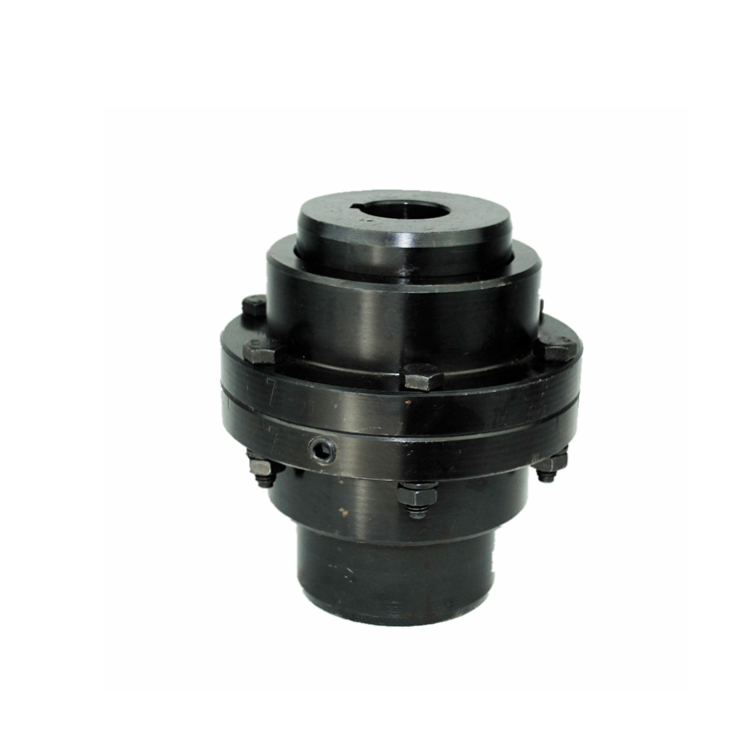
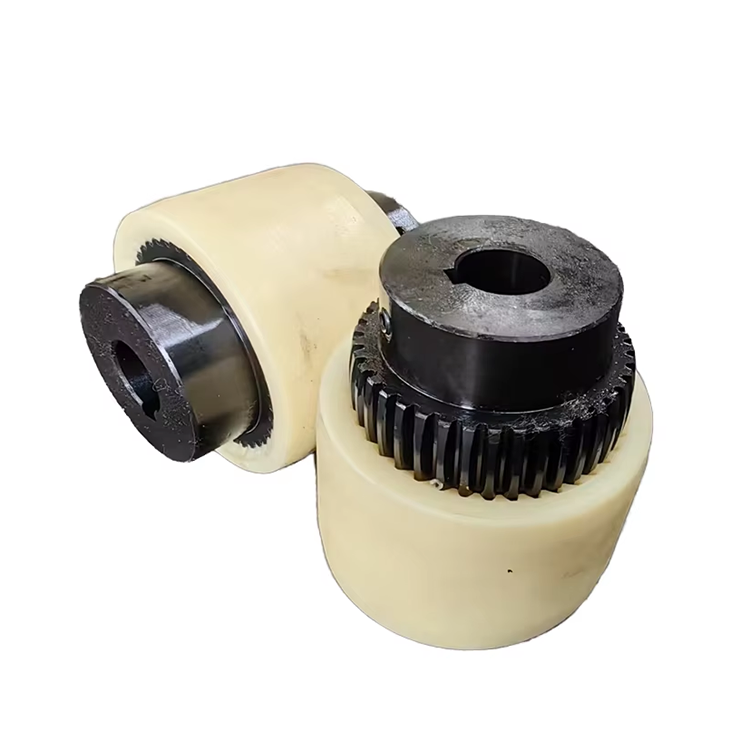
What Is a Drum Gear Coupling?
A Drum Gear Coupling is a mechanical device designed to transmit high torque between two rotating shafts while compensating for angular, radial, and axial misalignment. It uses internal and external gear teeth to provide flexibility without sacrificing strength.
Key characteristics include:
·High torque capacity
·Compact structure
·Misalignment accommodation
·Long service life
·Stable rotational accuracy
During professional manufacturer production, the gear teeth are precision-machined and heat-treated to ensure load distribution and wear resistance. Advanced factory production processes maintain consistency in geometry and surface finish across batch supply.
Core Functions of a Drum Gear Coupling
The real value of a Drum Gear Coupling lies in its multifunctional role in mechanical systems.
Efficient Torque Transmission
The primary function of a Drum Gear Coupling is transferring torque from the driving shaft to the driven shaft with minimal loss.
It ensures:
·Stable power delivery
·High load tolerance
·Smooth rotational continuity
With standardized factory production, torque ratings and dimensional tolerances remain consistent, ensuring every coupling in batch supply performs reliably in the field.
Misalignment Compensation
Perfect shaft alignment is rare in real installations. Thermal expansion, mounting errors, and dynamic loads cause deviation.
A Drum Gear Coupling compensates for:
·Angular misalignment
·Parallel offset
·Axial displacement
The crowned gear teeth design allows slight movement while maintaining contact area. Through controlled manufacturer production, tooth profiles are optimized to balance flexibility and strength.
Vibration and Shock Absorption
Heavy machinery often generates vibration and impact loads. Direct transmission would shorten equipment life.
A well-designed Drum Gear Coupling helps reduce:
·Torsional vibration
·Load spikes
·Mechanical noise
Precision factory production ensures proper tooth engagement, reducing backlash and smoothing torque fluctuations.
Load Distribution and Wear Control
Another basic function of a Drum Gear Coupling is distributing load evenly across gear teeth.
Benefits include:
·Reduced local stress
·Lower wear rate
·Extended maintenance intervals
During manufacturer production, surface hardening and finishing processes improve fatigue resistance and durability under continuous operation.
Structural Design and Materials
The performance of a Drum Gear Coupling depends on its structure and material selection.
Common materials include:
·Alloy steel hubs
·Hardened gear sleeves
·Corrosion-resistant coatings
During factory production, processes such as CNC machining, carburizing, quenching, and grinding enhance mechanical properties.
Quality inspection verifies:
·Tooth geometry accuracy
·Hardness consistency
·Balance performance
·Torque capacity
Reliable production and factory batch supply ensure uniformity across large orders.
Installation Efficiency and Operational Stability
A Drum Gear Coupling improves not only torque transfer but also installation and operational stability.
Advantages include:
·Simple shaft connection
·Reduced alignment sensitivity
·Stable long-term rotation
·Lower vibration transfer
With standardized manufacturer production, interfaces and tolerances remain consistent, allowing faster installation and reduced downtime in industrial environments.
Typical Applications of Drum Gear Coupling
The basic function of a Drum Gear Coupling supports many industries, such as:
·Steel and rolling mills
·Mining machinery
·Conveyors
·Pumps and compressors
·Power generation equipment
With flexible factory production capacity, Drum Gear Coupling designs can be adapted for speed, torque, and environmental conditions, ensuring compatibility with modern heavy-duty systems.
Manufacturing Capability and Batch Supply
From a supply perspective, stable performance begins with strong production capability. Professional Drum Gear Coupling manufacturer production includes:
·Precision CNC machining
·Heat treatment control
·Gear profile optimization
·Dynamic balancing
·Mechanical load testing
With scalable factory batch supply, large-volume orders maintain consistent quality for OEM and aftermarket applications. Strong production systems ensure reliability, traceability, and long-term service performance.
Lifecycle Cost and Reliability
While initial selection focuses on torque rating, lifecycle performance matters more. A quality Drum Gear Coupling provides:
·Long service life
·Reduced maintenance
·Stable alignment tolerance
·Improved equipment protection
From a manufacturer production standpoint, investing in precision and material control lowers failure risk and total ownership cost for industrial users.
Conclusion: The Essential Role of Drum Gear Coupling
The Drum Gear Coupling plays a fundamental role in modern mechanical transmission. It transfers torque efficiently, compensates for misalignment, absorbs vibration, and distributes load across gear interfaces.
By choosing solutions produced through professional Drum Gear Coupling manufacturer production with advanced factory batch supply capability, users gain reliable performance, longer equipment life, and improved operational safety.
With strong production and factory systems, Drum Gear Coupling continues to support high-load, high-precision mechanical applications across industries.
References
GB/T 7714:Juvinall R C, Marshek K M. Fundamentals of machine component design[M]. John Wiley & Sons, 2020.
MLA:Juvinall, Robert C., and Kurt M. Marshek. Fundamentals of machine component design. John Wiley & Sons, 2020.
APA:Juvinall, R. C., & Marshek, K. M. (2020). Fundamentals of machine component design. John Wiley & Sons.