

In heavy-duty industrial systems, stable and reliable power transmission is critical. Equipment such as steel rolling mills, mining conveyors, cranes, cement kilns, and large pumps operate under extreme loads and continuous torque. To ensure smooth and efficient transmission between shafts, Drum Gear Coupling has become one of the most trusted solutions in heavy machinery applications.
As a professional Drum Gear Coupling Manufacturer with advanced production capability and bulk supply capacity, high-performance couplings are designed to handle high torque, compensate for misalignment, and protect expensive equipment from failure. With strong manufacturing control and large-scale production, drum gear coupling plays a key role in modern industrial power transmission.
This article explains what drum gear coupling is, why it is preferred in heavy machinery, its working principle, advantages, and how it improves industrial production efficiency.
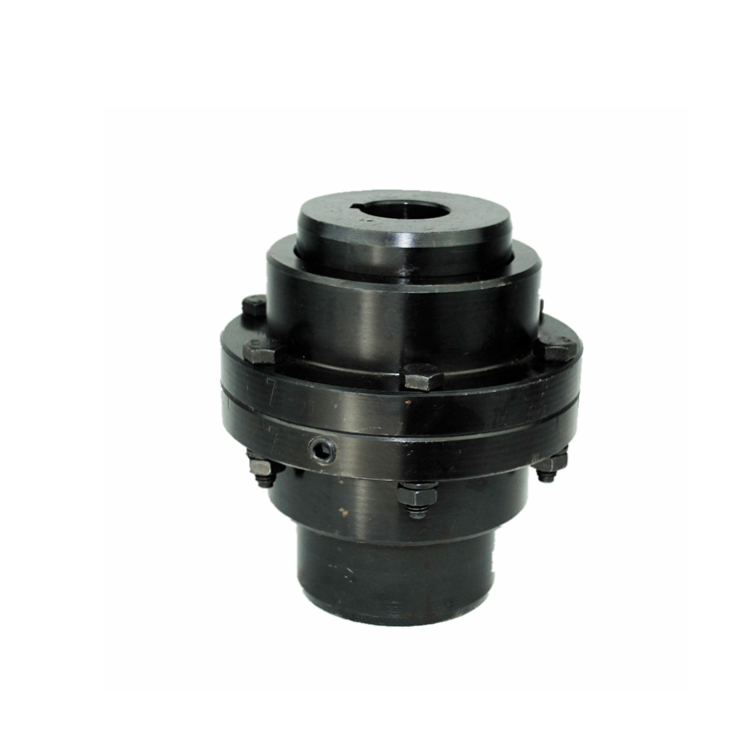
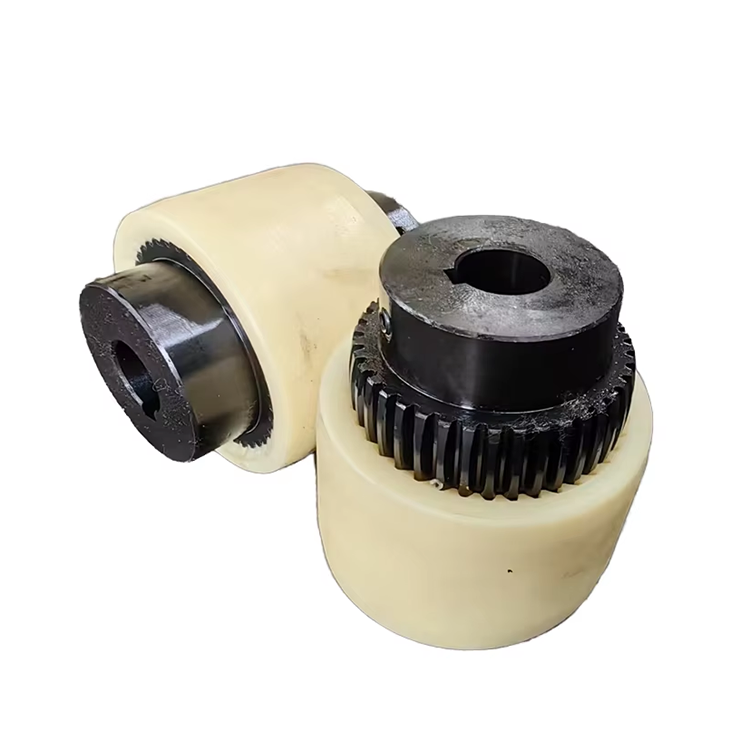
What Is Drum Gear Coupling?
A Drum Gear Coupling is a type of gear coupling that uses crowned gear teeth to connect two rotating shafts and transmit torque. Compared with traditional straight-tooth gear couplings, drum gear coupling features a curved tooth profile, which allows greater angular misalignment while maintaining high load capacity.
Its main structure includes:
·Hub with external crowned teeth
·Sleeve with internal gear teeth
·Sealing and lubrication system
·Fastening components
By engaging the gear teeth between hub and sleeve, drum gear coupling transfers torque smoothly while allowing limited shaft movement, making it ideal for heavy machinery environments.
Why Heavy Machinery Needs Drum Gear Coupling
1. High Torque Transmission Capability
Heavy machinery often works under high load and shock conditions. Drum gear coupling is specifically designed to handle large torque and impact loads without slipping.
The gear-to-gear contact area is larger than many flexible couplings, allowing drum gear coupling to transmit power efficiently in steel plants, mining systems, and cement production lines. This makes it a preferred solution where reliability and strength are essential.
2. Excellent Misalignment Compensation
In real industrial operation, perfect alignment is difficult to maintain. Thermal expansion, foundation movement, and vibration can cause angular and axial deviations.
Drum gear coupling’s crowned teeth design allows:
·Angular misalignment
·Axial displacement
·Minor radial offset
This flexibility reduces stress on shafts and bearings while maintaining smooth rotation, extending the service life of the entire power transmission system.
3. Strong Resistance to Shock and Vibration
Heavy machinery frequently experiences sudden load changes. Drum gear coupling absorbs and distributes these forces through its gear teeth engagement, reducing vibration transmission to motors and gearboxes.
This damping effect helps protect critical components from fatigue damage and prevents unexpected shutdowns in continuous production environments.
4. Long Service Life in Harsh Conditions
Industrial environments expose components to dust, heat, moisture, and heavy stress. Drum gear coupling is usually manufactured from high-strength alloy steel with heat treatment, ensuring excellent wear resistance.
With proper lubrication and sealing, drum gear coupling operates reliably in harsh working conditions such as metallurgy, mining, ports, and power generation.
A qualified Drum Gear Coupling Manufacturer with stable production systems ensures consistent quality across large batches, supporting long-term industrial operation.
5. Easy Maintenance and Assembly
Although drum gear coupling handles high loads, its structure allows relatively simple installation and replacement.
Technicians can:
·Inspect gear teeth condition
·Re-lubricate easily
·Replace sleeves without full shaft removal
This reduces downtime and improves maintenance efficiency in large-scale industrial production lines.
Working Principle of Drum Gear Coupling
Drum gear coupling works by engaging the crowned external teeth of the hub with the internal teeth of the sleeve. When the driving shaft rotates, torque is transmitted through the meshing teeth to the driven shaft.
Because the teeth are curved, they allow slight movement between shafts while maintaining surface contact. This design minimizes edge loading and ensures uniform stress distribution even under misalignment conditions.
As a result, drum gear coupling provides both strength and flexibility, making it suitable for heavy machinery with variable operating conditions.
Applications of Drum Gear Coupling in Heavy Machinery
Drum gear coupling is widely used in:
·Steel rolling mills
·Mining conveyors and crushers
·Cement rotary kilns
·Port cranes and hoisting equipment
·Power plant transmission systems
·Large pumps and compressors
Wherever large torque and continuous duty are required, drum gear coupling provides stable power transmission.
How Drum Gear Coupling Improves Industrial Production
From a production standpoint, drum gear coupling helps manufacturers achieve:
·Reduced mechanical failure rates
·Higher transmission efficiency
·Improved machine stability
·Lower maintenance frequency
·Longer equipment lifespan
A professional Drum Gear Coupling Manufacturer with bulk production and supply capability ensures consistent quality control, fast delivery, and scalable support for industrial projects.
In automated and heavy industrial production lines, reliable coupling performance directly impacts output capacity and operational cost control.
Key Factors When Selecting Drum Gear Coupling
When choosing a drum gear coupling, engineers should consider:
·Rated torque and peak load
·Shaft diameter and speed
·Allowable misalignment
·Environmental conditions
·Lubrication method
·Installation space
Working with an experienced industrial coupling producer ensures the selected drum gear coupling matches real operating conditions for maximum performance and safety.
Future Trends of Drum Gear Coupling
With the development of heavy industry and intelligent manufacturing, drum gear coupling is evolving toward:
·Higher torque density
·Improved materials and coatings
·Better sealing systems
·Reduced maintenance designs
·Enhanced reliability under extreme loads
These trends allow drum gear coupling to meet modern heavy machinery requirements with greater efficiency and durability.
Conclusion: Drum Gear Coupling as the Backbone of Heavy Machinery
In heavy machinery power transmission, Drum Gear Coupling is not just a connector—it is a core mechanical component that ensures strength, flexibility, and stability. Its ability to transmit high torque, compensate for misalignment, resist shock, and operate in harsh environments makes it indispensable in industrial applications.
Choosing a high-quality solution from a reliable Drum Gear Coupling Manufacturer with advanced production capability and stable bulk supply guarantees long-term performance and operational safety. From steel plants to mining systems, drum gear coupling continues to serve as the backbone of modern heavy machinery power transmission.
References
GB/T 7714:Guo Y, Lambert S, Wallen R, et al. Theoretical and experimental study on gear-coupling contact and loads considering misalignment, torque, and friction influences[J]. Mechanism and Machine Theory, 2016, 98: 242-262.
MLA:Guo, Yi, et al. "Theoretical and experimental study on gear-coupling contact and loads considering misalignment, torque, and friction influences." Mechanism and Machine Theory 98 (2016): 242-262.
APA:Guo, Y., Lambert, S., Wallen, R., Errichello, R., & Keller, J. (2016). Theoretical and experimental study on gear-coupling contact and loads considering misalignment, torque, and friction influences. Mechanism and Machine Theory, 98, 242-262.