

In modern mechanical systems, Coupling plays a vital role in ensuring efficient and stable power transmission between rotating shafts. Whether in industrial machinery, automation equipment, pumps, motors, or heavy-duty applications, coupling connects two shafts together to transmit torque while accommodating misalignment and reducing vibration.
As a professional Coupling Manufacturer with advanced production capability and bulk supply capacity, high-quality coupling solutions are designed to support reliable transmission performance across multiple industries. From small motors to large industrial drives, coupling ensures smooth operation and protects valuable equipment from damage.
In this article, we will explore why coupling is essential, how it works, its main types, advantages, and what to consider when selecting the right coupling for your power transmission system.
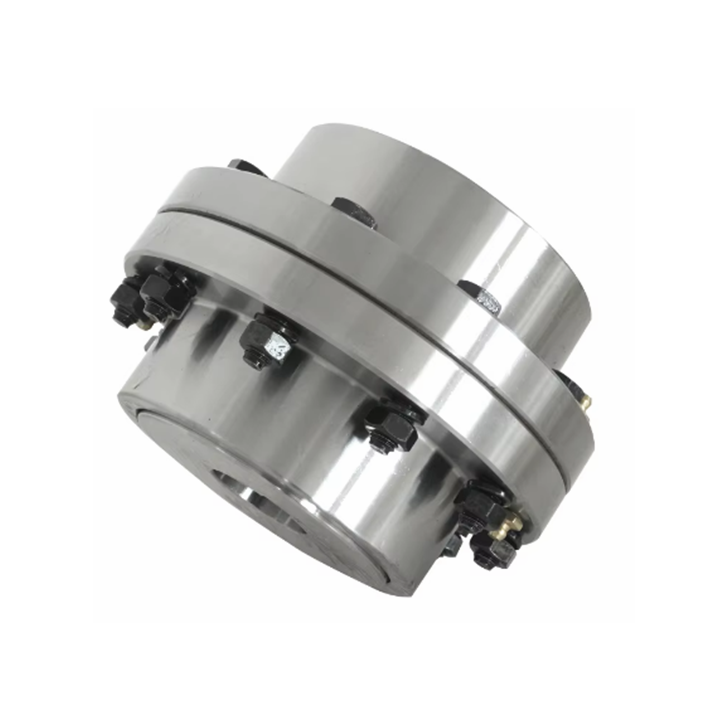
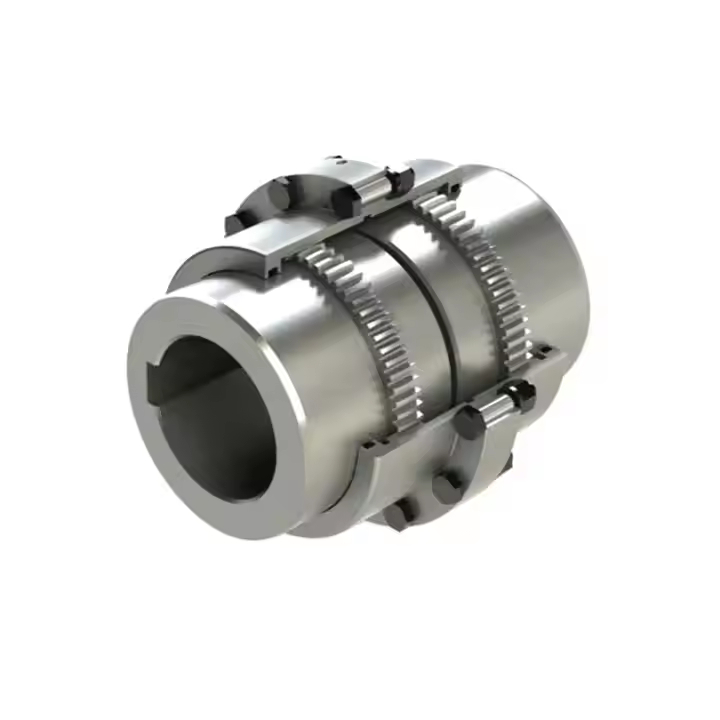
What Is a Coupling in Power Transmission?
A coupling is a mechanical component used to connect two rotating shafts in order to transmit power from a driving element (such as a motor) to a driven element (such as a pump, gearbox, or conveyor).
Its primary functions include:
·Transmitting torque
·Compensating for shaft misalignment
·Absorbing shock and vibration
·Protecting connected equipment
·Improving overall system efficiency
Without coupling, power transmission systems would suffer from excessive wear, noise, and mechanical failure. That’s why industrial coupling is considered a core component in rotating machinery.
Why Coupling Is Essential in Power Transmission
1. Torque Transmission Efficiency
Coupling allows torque to be transferred smoothly from one shaft to another. A well-designed shaft coupling ensures minimal power loss while maintaining consistent speed and performance.
In high-load applications, industrial coupling improves transmission stability and prevents slippage, which directly impacts productivity and energy efficiency.
2. Misalignment Compensation
Perfect shaft alignment is difficult to maintain in real-world operations. Thermal expansion, installation errors, and vibration often cause misalignment.
Coupling absorbs:
·Angular misalignment
·Parallel misalignment
·Axial displacement
Flexible coupling types help compensate for these conditions, preventing stress buildup and extending equipment life.
3. Shock and Vibration Reduction
During startup, shutdown, or load changes, machines experience shock loads and vibration. Coupling acts as a buffer, reducing mechanical stress on motors, bearings, and gearboxes.
This protection improves reliability and lowers maintenance costs, especially in continuous production environments.
4. Equipment Protection
Overload situations can damage expensive components. Some coupling designs include torque-limiting or damping functions to protect motors and transmission parts from sudden failure.
By isolating vibration and shock, coupling significantly increases the service life of connected machinery.
5. Easy Installation and Maintenance
Coupling allows quick assembly and disassembly of shafts. When maintenance is required, components can be removed without disturbing the entire system.
This saves downtime and improves operational efficiency, especially in industrial production lines.
Common Types of Coupling Used in Industry
Rigid Coupling
Rigid coupling is used when precise alignment is possible. It provides strong torque transmission but allows little flexibility. It is often used in high-precision applications.
Flexible Coupling
Flexible coupling is the most popular type in power transmission. It allows movement and absorbs vibration. Common forms include:
·Jaw coupling
·Gear coupling
·Grid coupling
·Elastomer coupling
·Disc coupling
Flexible coupling is ideal for motors, pumps, compressors, and conveyors.
Fluid Coupling
Fluid coupling uses hydraulic fluid to transmit power smoothly, reducing shock loads and allowing controlled startup. It is widely used in heavy machinery.
Magnetic Coupling
Magnetic coupling transmits torque without physical contact, making it suitable for sealed systems and chemical or clean environments.
How Coupling Improves Industrial Production
From a manufacturing perspective, coupling improves production efficiency by:
·Reducing mechanical failures
·Improving energy transfer
·Stabilizing machine operation
·Lowering maintenance frequency
·Increasing system lifespan
As a reliable Coupling Manufacturer with strong production and bulk supply capability, quality coupling products support large-scale industrial operations with consistent performance and long-term durability.
In automated production lines, coupling ensures uninterrupted transmission between motors and equipment, helping manufacturers achieve higher output and lower operational costs.
Key Factors When Choosing a Coupling
Selecting the right coupling is essential for optimal performance. Important factors include:
·Torque requirement
·Shaft size
·Operating speed
·Misalignment tolerance
·Environmental conditions
·Vibration level
·Installation space
A professional industrial coupling supplier evaluates these factors to provide the most suitable coupling solution for each application.
Coupling Applications Across Industries
Coupling is widely used in:
·Manufacturing equipment
·Pumps and compressors
·Mining machinery
·Conveying systems
·Automation lines
·Power generation
·Marine equipment
Wherever power transmission exists, coupling plays a critical role in connecting motion safely and efficiently.
Future Development of Coupling Technology
With the advancement of smart manufacturing, coupling technology continues to evolve. Modern coupling focuses on:
·Higher torque capacity
·Lightweight materials
·Better vibration damping
·Longer service life
·Smart monitoring integration
These improvements allow coupling to meet the demands of high-speed, high-load, and automated industrial environments.
Conclusion: Coupling as the Core of Power Transmission
In power transmission systems, Coupling is not just a connector — it is a protector, stabilizer, and efficiency enhancer. From torque transfer to vibration control and misalignment compensation, coupling ensures smooth and reliable machine operation.
Choosing the right coupling directly impacts productivity, safety, and equipment lifespan. Working with an experienced Coupling Manufacturer with strong production capability and stable bulk supply ensures consistent quality and dependable performance for industrial applications worldwide.
Whether for small machinery or large-scale production systems, coupling remains an essential foundation of modern power transmission.
References
GB/T 7714:Chen C M, Chang H L, Lee C Y. An experimental study on the torsional stiffness and limit torque of a jaw coupling with consideration of spacer's hardness and installation methods[J]. Journal of Mechanics, 2022, 38: 195-203.
MLA:Chen, Chih-Ming, Huey-Ling Chang, and Chun-Ying Lee. "An experimental study on the torsional stiffness and limit torque of a jaw coupling with consideration of spacer's hardness and installation methods." Journal of Mechanics 38 (2022): 195-203.
APA:Chen, C. M., Chang, H. L., & Lee, C. Y. (2022). An experimental study on the torsional stiffness and limit torque of a jaw coupling with consideration of spacer's hardness and installation methods. Journal of Mechanics, 38, 195-203.