

External Gear Teeth Serve as the Primary Torque Transmission Interface
A Drum Gear Coupling relies on precision-machined external gear teeth located on the hubs to transmit torque. These teeth are engineered with tight tolerances to ensure smooth meshing with the internal sleeve teeth. The accuracy of tooth geometry directly influences load distribution, efficiency, and wear resistance. In high-torque industrial environments, even minor deviations in tooth profile can lead to uneven stress concentration and premature failure.
Internal Gear Sleeves Enable Controlled Engagement
The sleeve component contains internal gear teeth that engage with the hub gears. This interaction allows the coupling to transmit torque while maintaining flexibility. The internal gear profile must be precisely matched to the external teeth to ensure optimal contact. Advanced manufacturing processes, such as CNC gear shaping, are often used to achieve the required precision.
Crowned Tooth Profile Allows Angular Misalignment
One of the defining engineering features of a Drum Gear Coupling is the crowned tooth design. Unlike straight gear teeth, crowned profiles have a slight curvature that allows the coupling to accommodate angular misalignment between shafts. This reduces edge loading and minimizes stress concentration, significantly improving durability under real operating conditions.

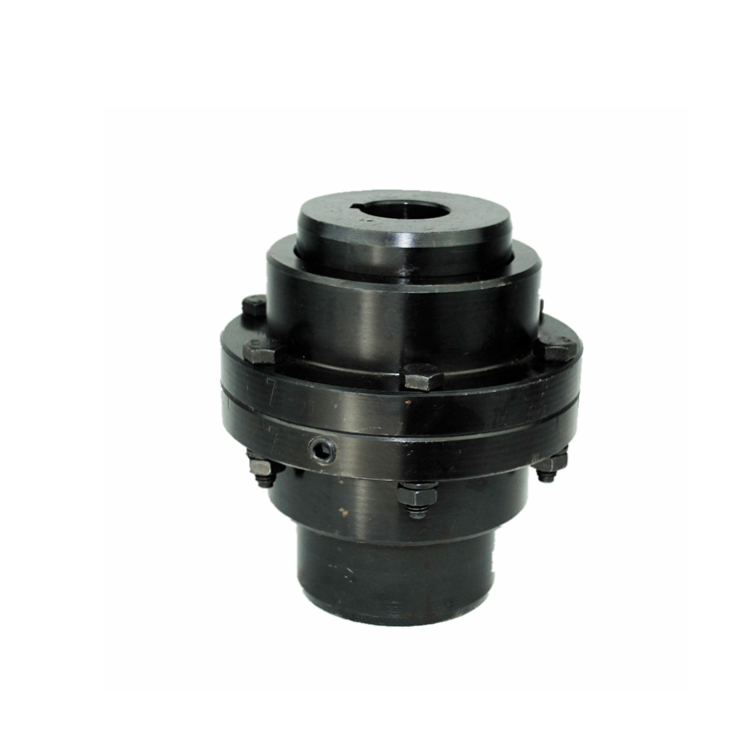
Hubs Provide Secure Shaft Connection and Load Transfer
Hubs act as the connection point between the coupling and the rotating shafts. They are typically mounted using keyways, splines, or interference fits. The hub must maintain a secure, slip-free connection under high torque loads. Material strength and machining accuracy are critical factors in ensuring that the hub can withstand operational stresses without deformation.
Lubrication System Minimizes Friction and Extends Service Life
Lubrication is essential for the proper functioning of a Drum Gear Coupling. The meshing gear teeth generate friction during operation, which can lead to wear if not properly managed. A well-designed lubrication system ensures that grease or oil is evenly distributed across all contact surfaces. Regular lubrication reduces friction, prevents overheating, and significantly extends the service life of the coupling.
Sealing Mechanism Protects Against Contamination
Industrial environments often expose couplings to dust, moisture, and chemical contaminants. Seals are used to protect the internal gear system and maintain lubrication integrity. Effective sealing prevents the ingress of contaminants that could degrade lubrication quality and accelerate wear. High-performance seals are particularly important in harsh operating conditions.
Material Selection Determines Load Capacity and Durability
Drum Gear Couplings are typically manufactured from high-strength alloy steels to handle heavy loads and high torque. Heat treatment processes, such as carburizing or induction hardening, are often applied to improve surface hardness and wear resistance. The combination of material selection and heat treatment directly affects the coupling’s ability to withstand fatigue and impact loads.
Load Distribution Across Gear Teeth Enhances Efficiency
Uniform load distribution across gear teeth is essential for efficient operation. Poor load distribution can result in localized stress, leading to pitting and tooth failure. Precision manufacturing and proper alignment ensure that loads are evenly shared among the teeth, improving efficiency and extending component life.
Misalignment Compensation Reduces System Stress
In practical applications, perfect shaft alignment is rarely achievable. Drum Gear Couplings are designed to accommodate a certain degree of misalignment without compromising performance. This capability reduces stress on connected equipment, such as bearings and shafts, improving overall system reliability.
Maintenance Accessibility Improves Operational Reliability
Ease of maintenance is a key consideration in coupling design. Drum Gear Couplings are often designed for easy disassembly, allowing technicians to inspect gear teeth, replace seals, and reapply lubrication. Regular maintenance helps identify wear early and prevents unexpected failures.
High Torque Capability Supports Heavy Industrial Applications
One of the main advantages of Drum Gear Couplings is their ability to transmit high torque in compact designs. This makes them ideal for heavy-duty applications such as steel mills, mining equipment, and power generation systems. Their robust construction ensures reliable performance under demanding conditions.
Operational Stability Depends on Precision Manufacturing
Precision in manufacturing is critical for achieving smooth operation. Tight tolerances in gear machining, hub alignment, and assembly ensure minimal vibration and noise during operation. This level of precision is essential for maintaining stability in high-speed or high-load systems.
Long-Term Reliability Requires Proper Installation
Even the best-designed Drum Gear Coupling can fail if installed incorrectly. Proper alignment, correct torque application on fasteners, and accurate lubrication are essential for ensuring long-term performance. Following manufacturer guidelines during installation significantly reduces the risk of early failure.
Drum Gear Coupling
References
Maitra, G.M. Handbook of Gear Design
Dudley, D.W. Handbook of Practical Gear Design
Muszynska, A. Rotordynamics