

Torque Transmission Defines Core Functionality
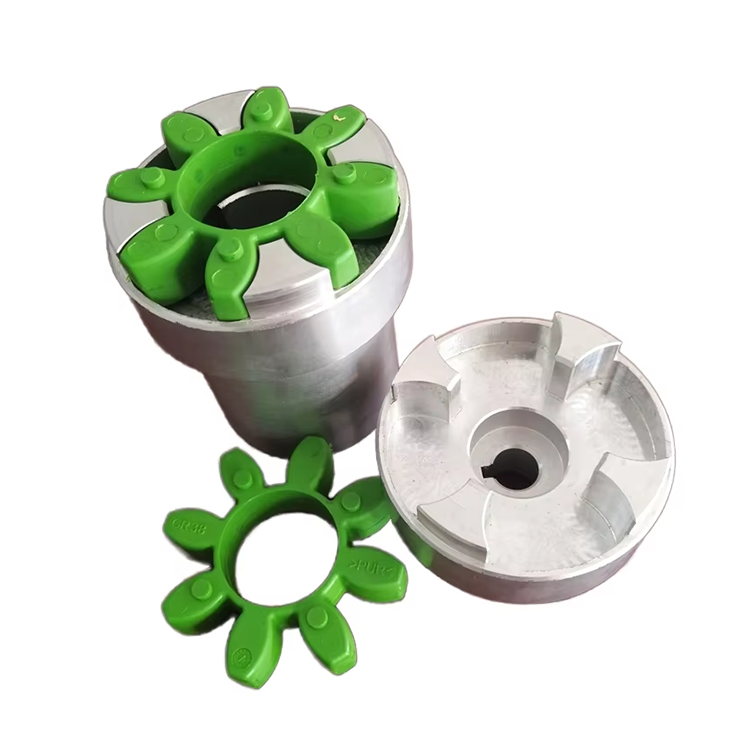
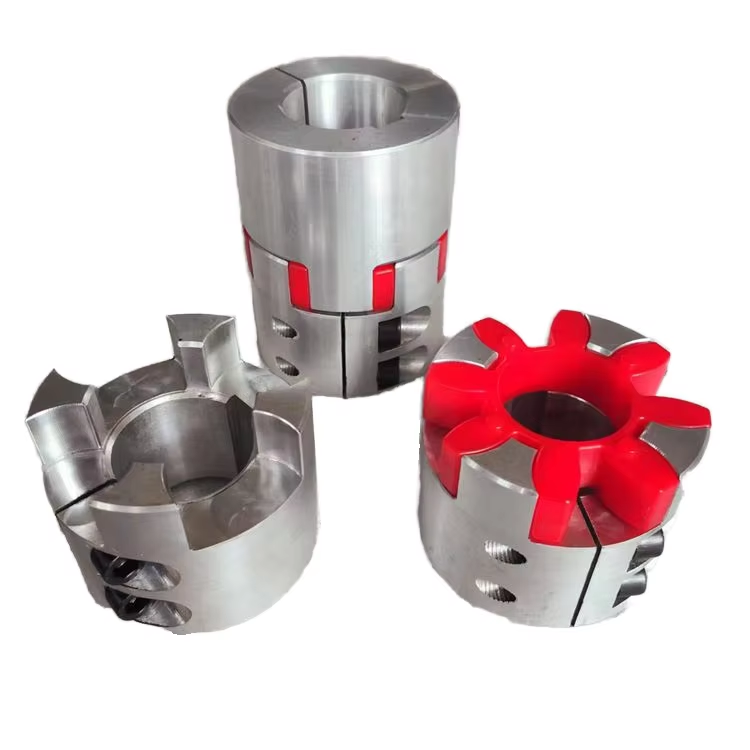
A Coupling is primarily designed to transmit torque between two rotating shafts. Under load conditions, it must maintain a consistent transfer of mechanical energy without slippage or excessive deformation. The efficiency of this transmission directly impacts overall system performance, especially in high-demand industrial environments where torque fluctuations are common.
Load-Induced Stress Distribution Affects Performance
When a Coupling operates under load, stresses are distributed across hubs, flexible elements, and fasteners. Uneven stress concentration can lead to premature wear or failure. Engineers often use simulation tools such as finite element analysis (FEA) to predict stress behavior and optimize component geometry for durability.
Misalignment Compensation Prevents System Damage
In real-world applications, shafts rarely remain perfectly aligned. A well-engineered Coupling compensates for angular, parallel, and axial misalignment. This capability reduces the load on bearings and shafts, preventing mechanical damage and extending system life.
Dynamic Load Handling Improves Operational Stability
Industrial systems often experience variable loads due to start-stop cycles, speed changes, and process fluctuations. Couplings must absorb these variations without compromising structural integrity. Flexible designs are particularly effective in smoothing out load transitions.
Vibration Damping Reduces Mechanical Fatigue
Vibration is a common byproduct of rotating machinery. Couplings equipped with damping properties help minimize vibration transmission, protecting connected components from fatigue. This is especially important in precision equipment where stability is critical.
Thermal Expansion Influences Alignment
Under continuous load, heat generation can cause components to expand. A reliable Coupling design accommodates thermal expansion without losing alignment or performance. Material selection plays a key role in managing these thermal effects.
Lubrication Minimizes Friction and Wear
In gear and grid couplings, lubrication is essential for reducing friction between moving parts. Proper lubrication ensures smooth operation under load and prevents excessive wear, which could otherwise lead to failure.
Fatigue Resistance Determines Service Life
Repeated loading cycles create fatigue stress within the Coupling. High-quality materials and precise manufacturing processes are necessary to ensure resistance to fatigue. This is particularly important in applications with continuous operation.
Safety Margins Ensure Reliability Under Extreme Conditions
Engineers design couplings with safety factors to handle unexpected overloads. These margins ensure that the Coupling continues to function even under extreme conditions, enhancing overall system reliability.
Maintenance Practices Sustain Performance
Regular inspection and maintenance are critical for ensuring that a Coupling performs effectively under load. Monitoring wear, lubrication levels, and alignment helps prevent unexpected downtime.
Coupling
References
Budynas, R.G. & Nisbett, J.K. Shigley’s Mechanical Engineering Design
Norton, R.L. Machine Design: An Integrated Approach