

How a Drum Gear Coupling Works
A Drum Gear Coupling is a high-performance flexible coupling widely used in heavy industrial transmission systems. It is specifically designed to transmit high torque while compensating for shaft misalignment in demanding operating environments.
Compared with standard gear couplings, the drum-shaped tooth profile significantly improves load distribution and operational stability.
What Is a Drum Gear Coupling?
A Drum Gear Coupling connects two rotating shafts through meshing external and internal gear teeth. The external teeth are crowned or drum-shaped, allowing the coupling to compensate for angular and axial displacement during operation.
This coupling type is commonly applied in:
Rolling mills
Cranes
Metallurgical equipment
Mining machinery
Marine drive systems
Its compact structure and high torque capacity make it suitable for medium- and heavy-duty industrial applications.
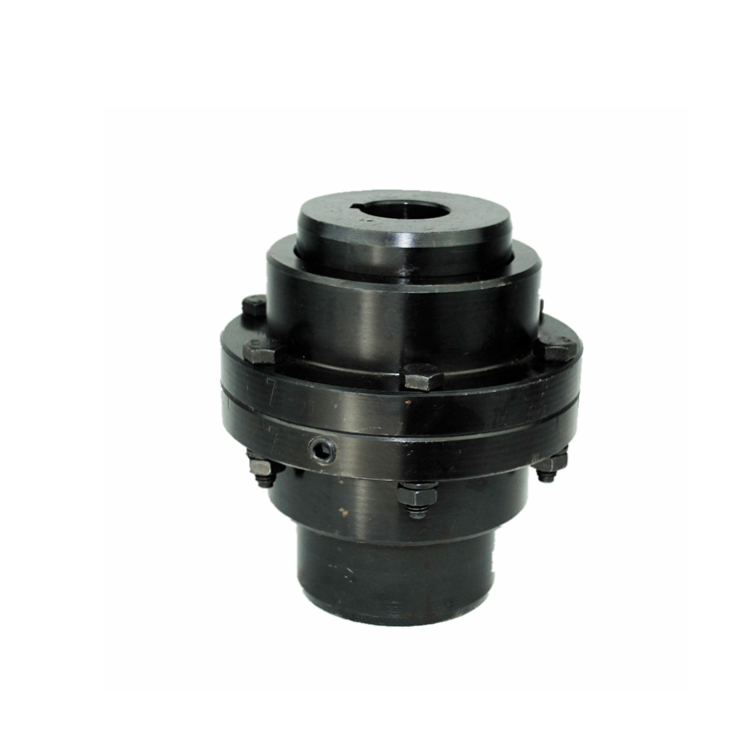
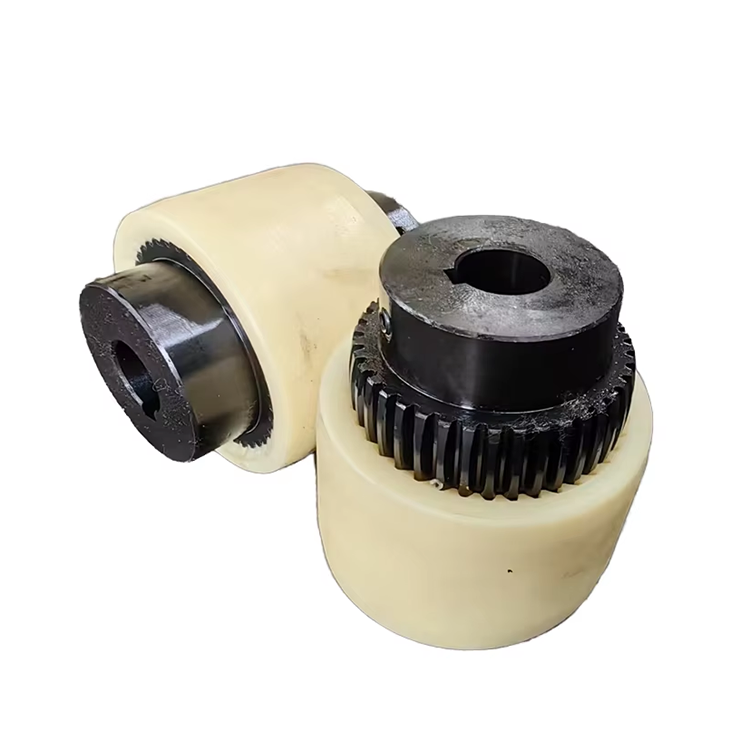
Main Components
A standard Drum Gear Coupling typically consists of:
Gear hubs
Internal gear sleeves
Sealing rings
Lubrication system
End covers
Fastening bolts
The crowned external gear teeth are the core design feature. This geometry reduces edge stress concentration and improves tooth contact under shaft misalignment conditions.
Working Principle
The working principle of a Drum Gear Coupling is based on gear tooth meshing. Torque is transmitted from the driving shaft through the external gear hub to the internal gear sleeve and then to the driven shaft.
When shaft misalignment occurs, the crowned tooth profile allows slight angular movement while maintaining smooth torque transfer. This design reduces local stress concentration and minimizes tooth wear.
Under heavy loads, the coupling maintains stable transmission efficiency because multiple gear teeth share the transmitted load simultaneously.
Advantages of Drum Gear Coupling
One major advantage of a Drum Gear Coupling is its exceptionally high torque density. Compared with elastomeric couplings, it can handle much larger torque loads in compact installation spaces.
Additional benefits include:
High load capacity
Good misalignment compensation
Long service life
Strong shock resistance
Excellent durability in harsh environments
These characteristics make drum gear couplings highly suitable for continuous heavy-duty operation.
Typical Industrial Applications
Industrial sectors frequently using Drum Gear Coupling systems include:
Steel production
Cement manufacturing
Port handling equipment
Heavy conveyors
Wind power transmission
In crane systems, drum gear couplings help absorb dynamic loads generated during lifting and braking operations.
Maintenance Considerations
Proper lubrication is essential for reliable Drum Gear Coupling performance. Insufficient lubrication may cause excessive friction, gear tooth wear, and vibration.
Routine maintenance should include:
Tooth surface inspection
Grease replacement
Seal condition checks
Shaft alignment verification
Preventive maintenance greatly extends coupling service life and minimizes unexpected downtime.
Conclusion
A Drum Gear Coupling is a reliable and durable solution for heavy industrial transmission systems. Its crowned gear tooth design enables efficient torque transfer while compensating for shaft misalignment under severe operating conditions.
For industries requiring high torque capacity, vibration resistance, and long-term reliability, the Drum Gear Coupling remains one of the most trusted coupling solutions available today.
References
Mancuso, J. Mechanical Power Transmission Couplings
AGMA Gear Coupling Standards
Piotrowski, J. Shaft Alignment Handbook
Rexnord Industrial Coupling Engineering Guide
Drum gear coupling technical discussions