

How to Choose a Reliable Grid Coupling Manufacturer
Selecting the right Grid Coupling Manufacturer is critical for ensuring equipment reliability, operational safety, and long-term maintenance efficiency. In heavy-duty industrial applications, coupling quality directly affects vibration control, torque transmission, and machinery lifespan.
Evaluate Manufacturing Experience
An experienced Grid Coupling Manufacturer typically has stronger engineering capability and better production consistency. Manufacturers with long-term industry experience usually understand demanding applications such as mining, steel, cement, and power generation.
Production history also reflects the supplier’s ability to handle custom specifications and complex operating conditions.
Check Material Quality Standards
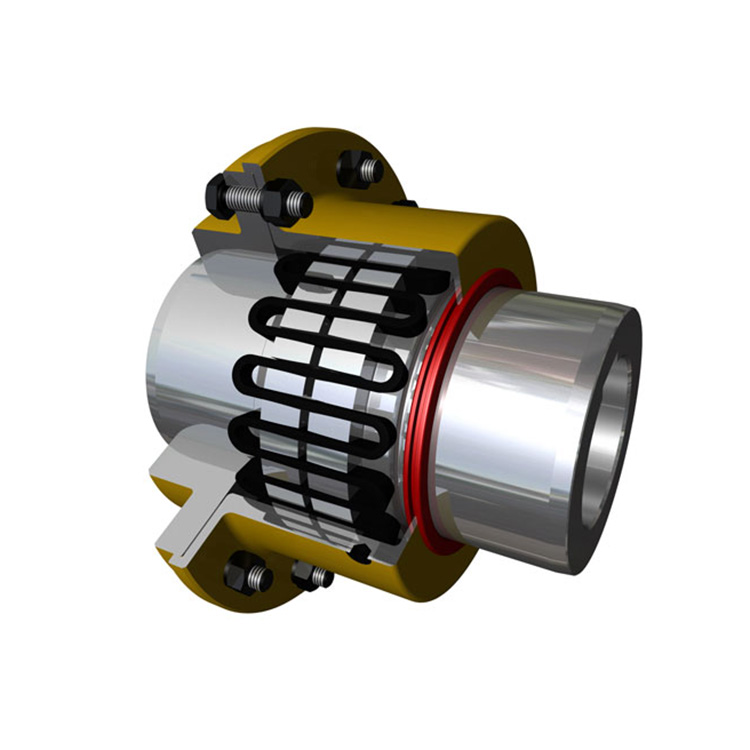
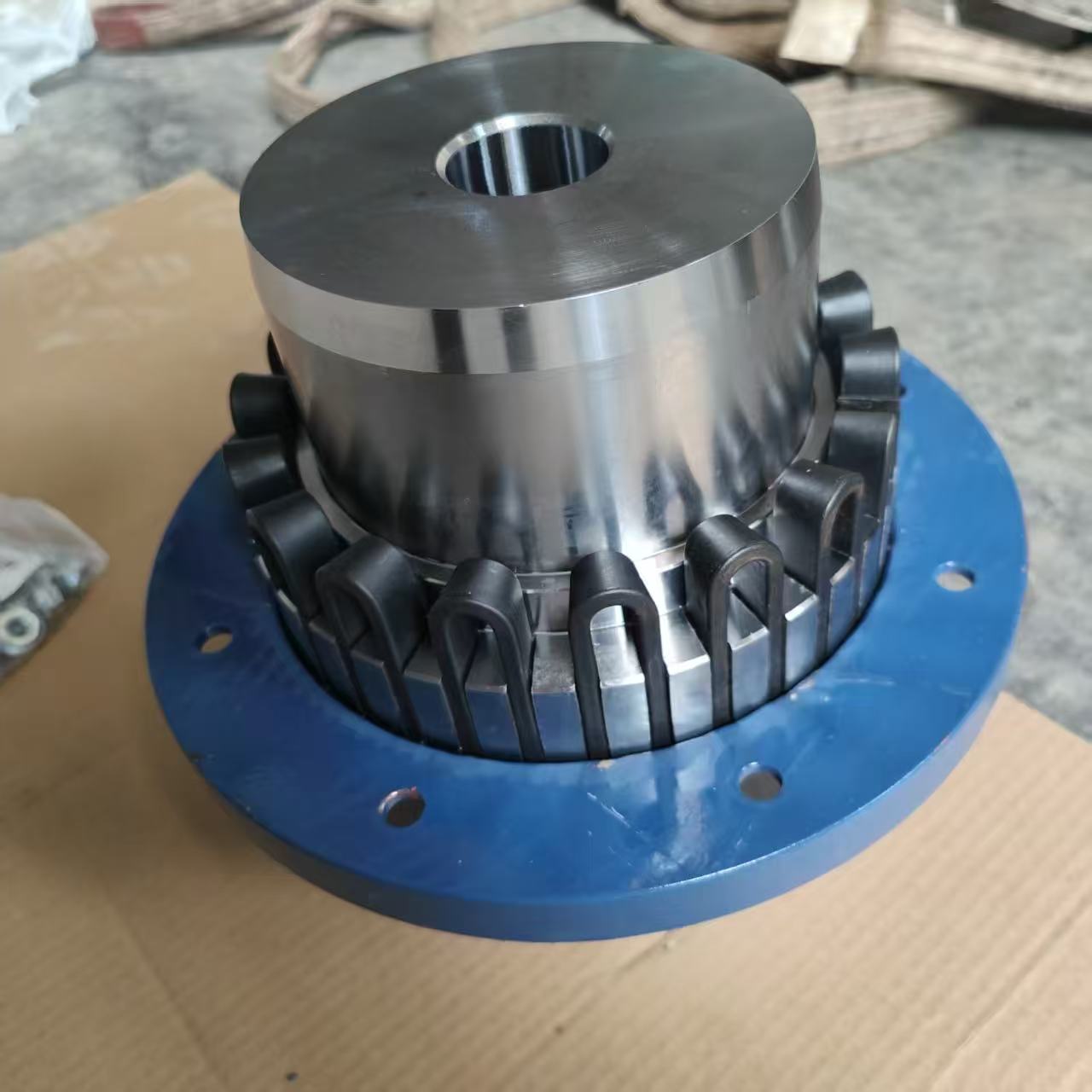
High-quality grid couplings generally use alloy steel hubs and heat-treated spring steel grids. Reliable manufacturers implement strict raw material inspection and hardness control procedures.
The grid spring must maintain excellent fatigue resistance under repeated torque fluctuations. Inferior materials may crack prematurely under shock loading.
Review Engineering and Design Capability
A professional Grid Coupling Manufacturer should provide technical support for:
Torque calculation
Coupling sizing
Shaft alignment analysis
Installation recommendations
Custom design optimization
Advanced manufacturers often use CNC machining and precision heat treatment to improve dimensional accuracy and product consistency.
Verify Quality Control Processes
Reliable manufacturers establish comprehensive quality inspection procedures throughout production.
Key inspections typically include:
Dynamic balance testing
Hardness testing
Material analysis
Dimensional inspection
Torque performance verification
International certifications such as ISO 9001 can further indicate manufacturing reliability.
Assess Maintenance and After-Sales Support
Coupling systems require periodic maintenance and spare part replacement. Choosing a responsive Grid Coupling Manufacturer helps reduce downtime during servicing.
Manufacturers offering technical manuals, installation guidance, and fast spare-part supply usually provide better long-term support for industrial users.
Compare Application Experience
Industrial applications vary significantly in operating conditions. A coupling suitable for a pump may not perform well in a crusher or conveyor system.
An experienced Grid Coupling Manufacturer should understand industry-specific requirements including:
Shock loading
High-speed operation
Dust contamination
Temperature variation
Continuous duty cycles
Application knowledge often determines actual product reliability in the field.
Conclusion
Choosing a professional Grid Coupling Manufacturer involves more than comparing prices. Engineering expertise, material quality, production control, and technical support all play critical roles in long-term equipment reliability.
For industrial users seeking stable torque transmission and reduced maintenance costs, partnering with an experienced Grid Coupling Manufacturer is a strategic investment in operational efficiency.
References
AGMA Flexible Coupling Standards
Mancuso, J. Couplings and Joints
Rexnord Falk Grid Coupling Engineering Data
Linquip Grid Coupling Technical Guide
Industrial Coupling Design Handbook