

Grid Coupling Design Fundamentals and Operating Principles
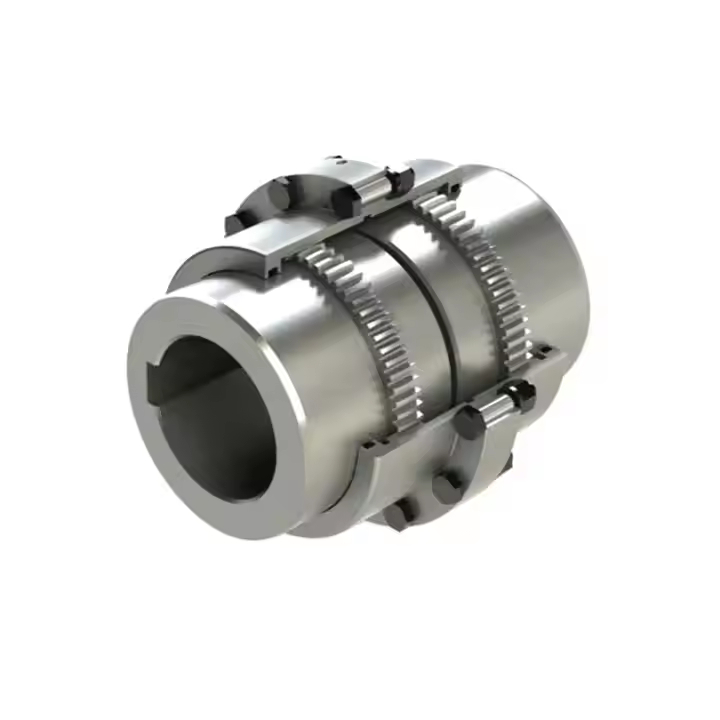
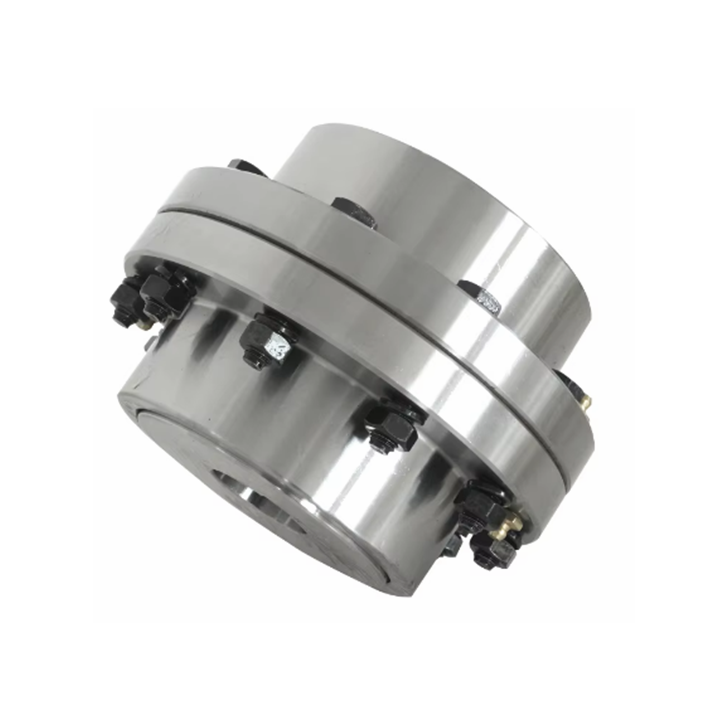
The fundamental Grid Coupling design consists of two hub components with precision-machined grooves that accommodate a spring steel grid element. This grid flexes to accommodate misalignment while transmitting torque through multiple contact points between grid and groove surfaces. The curved tooth profile in modern Grid Coupling designs reduces stress concentrations and extends service life compared to straight-tooth alternatives.
Torque transmission in Grid Coupling systems occurs through contact between the spring steel grid and hub grooves, creating distributed load paths that handle higher torques than many alternative flexible coupling designs. The grid element's flexibility permits angular, parallel, and axial misalignment while maintaining consistent torque transmission characteristics. This combination of high torque capacity and misalignment accommodation makes Grid Coupling suitable for demanding applications in power generation, marine propulsion, and heavy industrial equipment.
Current Manufacturing Processes for Grid Couplings
Modern Grid Coupling manufacturing employs computer numerical control (CNC) machining to achieve precise groove geometries that ensure proper grid seating and load distribution. Hub components require multi-axis machining operations that create complex curved tooth profiles with tight tolerances. Quality manufacturers invest in advanced CNC equipment capable of maintaining dimensional accuracy across high-volume production runs, ensuring consistent Grid Coupling performance.
Grid element manufacturing involves specialized forming processes that shape spring steel into precise configurations that match hub groove geometries. Heat treatment processes optimize grid mechanical properties, balancing flexibility for misalignment accommodation with strength for torque transmission. Leading Grid Coupling manufacturers maintain vertical integration that includes grid forming and heat treatment capabilities, ensuring quality control throughout the production process.
Advanced Materials in Grid Coupling Production
Material science advancements enable Grid Coupling manufacturers to enhance performance characteristics through optimized alloy selection and heat treatment processes. Alloy steels like 4140, 4340, or vacuum-degassed variants provide superior strength-to-weight ratios and fatigue resistance compared to conventional carbon steels. These materials allow Grid Coupling designs to achieve higher torque ratings in smaller packages, reducing weight and space requirements in compact equipment installations.
Grid element materials continue evolving beyond traditional spring steels toward advanced alloys and composite materials. Some manufacturers experiment with carbon fiber-reinforced polymer grids that offer weight reduction and corrosion resistance advantages. While still emerging, these advanced Grid Coupling material technologies promise performance enhancements that may redefine industry standards for power density and service life.
Automation and Industry 4.0 Integration in Manufacturing
Industry 4.0 principles transform Grid Coupling manufacturing through increased automation, real-time monitoring, and data-driven quality control. Automated machining cells with robotic part handling reduce labor costs while improving consistency and reducing human error. These systems enable lights-out manufacturing capabilities that increase production capacity without proportional cost increases, making Grid Coupling products more cost-competitive.
Digital twin technology applications in Grid Coupling manufacturing enable virtual prototyping and process optimization before physical production begins. Manufacturers create digital replicas of coupling designs and manufacturing processes, simulating performance under various operating conditions. This approach reduces development time and costs while identifying potential issues before committing to physical prototypes, accelerating Grid Coupling time-to-market for new designs.
Quality Control Innovations and Traceability Systems
Advanced quality control systems in Grid Coupling manufacturing employ non-destructive testing methods that detect internal flaws without damaging finished components. Ultrasonic testing, magnetic particle inspection, and radiographic examination identify subsurface defects that visual inspection cannot detect. Implementing these technologies demonstrates commitment to quality that differentiates premium Grid Coupling manufacturers from commodity suppliers.
Traceability systems using laser marking, RFID tags, or blockchain technology enable comprehensive component tracking throughout Grid Coupling lifecycle. Manufacturers embed production data including material heat numbers, machining dates, and quality test results into traceable identifiers. Customers benefit from this transparency through enhanced quality assurance and simplified regulatory compliance documentation for critical service applications.
Sustainable Manufacturing Practices in Coupling Production
Environmental sustainability initiatives influence Grid Coupling manufacturing through reduced energy consumption, waste minimization, and circular economy principles. Manufacturers invest in energy-efficient equipment, optimize machining strategies to reduce material waste, and implement recycling programs for steel scraps and cutting fluids. These practices reduce environmental impact while often lowering production costs that can be passed to customers through competitive Grid Coupling pricing.
Lifecycle assessment methodologies help Grid Coupling manufacturers quantify environmental impacts and identify improvement opportunities. From raw material extraction through end-of-life disposal or recycling, comprehensive assessments guide sustainable design decisions. Customers increasingly prioritize suppliers with demonstrated environmental commitment, making sustainability a competitive differentiator in the Grid Coupling market.
Future Technology Roadmap for Grid Couplings
Emerging technologies promise revolutionary changes in Grid Coupling design and manufacturing over the next decade. Additive manufacturing (3D printing) may enable complex geometries that traditional machining cannot produce, such as internally lattice-reinforced hubs that reduce weight while maintaining strength. While still in research phases, these technologies could redefine Grid Coupling design possibilities and manufacturing economics.
Smart coupling concepts incorporate sensors and wireless communication capabilities that monitor operating conditions in real-time. Embedded strain gauges, temperature sensors, and vibration monitors provide continuous feedback about Grid Coupling health, enabling predictive maintenance that prevents unexpected failures. As sensor costs decrease and wireless technology improves, smart Grid Coupling systems may become standard in critical applications where reliability is paramount.
Making Strategic Grid Coupling Procurement Decisions
Selecting Grid Coupling suppliers requires evaluating not only product specifications but also manufacturing capabilities and technology roadmaps. Forward-thinking manufacturers who invest in advanced technologies deliver superior products today while positioning themselves to incorporate future innovations. Partnering with such suppliers ensures access to cutting-edge Grid Coupling technology as it becomes commercially available.
Remember that Grid Coupling technology continues evolving rapidly, with manufacturing innovations driving performance improvements and cost reductions. Stay informed about emerging trends, evaluate new technologies as they mature, and maintain relationships with manufacturers who demonstrate commitment to technological advancement. Your proactive approach to Grid Coupling procurement positions your organization to benefit from ongoing industry innovations.
References
American Gear Manufacturers Association. (2021). AGMA 9003-C20 - Gear coupling and flexible coupling maintenance guide. AGMA Standards Development.
International Organization for Standardization. (2019). ISO 14691:2018 - Industrial couplings - General specifications. ISO Central Secretariat.
American Petroleum Institute. (2020). API Standard 671 - Special-purpose couplings for petroleum, chemical, and gas industry services. API Publishing Services.
Machinery Information Services. (2022). Flexible coupling selection and application engineering handbook. MIS Technical Publications.
American Society of Mechanical Engineers. (2020). ASME B106.1M - Power transmission couplings - Design and selection guidelines. ASME Standards.