

Basic Structural Configuration of Drum Gear Couplings
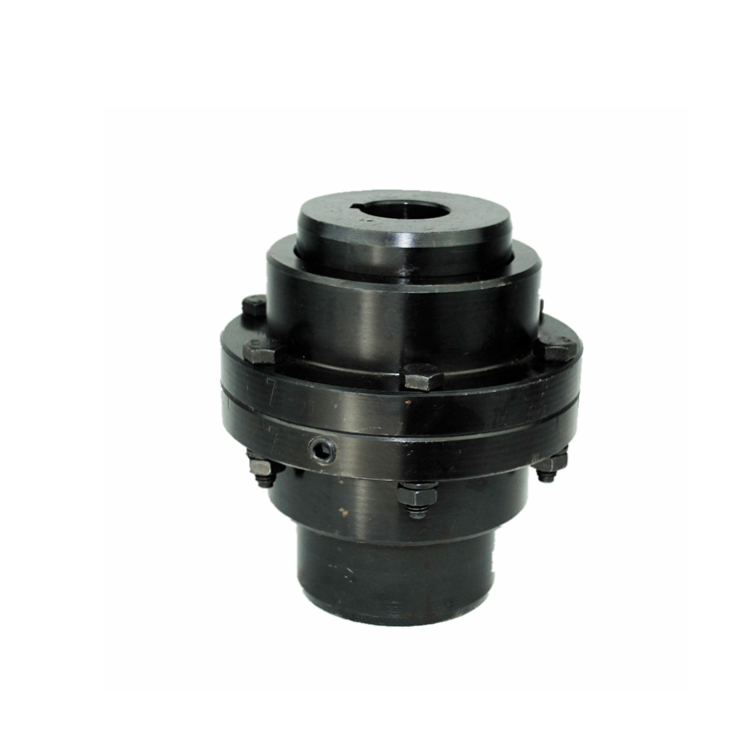
The fundamental Drum Gear Coupling structure consists of two hubs with external gear teeth that mesh with internal gear teeth in a surrounding sleeve or flange assembly. This configuration creates a compact connection that transmits torque through gear tooth engagement while permitting angular misalignment through gear tooth clearance. The drum-shaped tooth profile gives this coupling its name and provides unique performance characteristics compared to straight-tooth designs.
Hub components in Drum Gear Coupling assemblies typically feature induction-hardened tooth surfaces that resist wear and extend service life. The external teeth are precision-machined to mate with internal teeth in the sleeve, creating multiple contact points that distribute load evenly across the tooth surface. This load distribution capability enables Drum Gear Coupling designs to handle higher torques than many alternative flexible coupling types.
Drum-Shaped Tooth Profile Advantages
The distinctive drum contour of Drum Gear Coupling teeth provides operational advantages that straight-tooth designs cannot match. Drum profiles allow axial movement between hubs and sleeves, accommodating thermal expansion and shaft movement without generating excessive axial forces. This self-adjusting capability reduces bearing loads and extends equipment life in high-temperature or variable-operating-condition applications.
Contact stress distribution improves significantly with drum tooth profiles in Drum Gear Coupling structures. Straight teeth concentrate contact stress at tooth ends, while drum profiles spread contact across the entire tooth surface. Finite element analysis confirms that drum profiles reduce peak contact stresses by 30-40% compared to straight-tooth alternatives, directly translating to longer service life and higher reliability.

Sealing Systems and Lubricant Retention
Effective sealing systems in Drum Gear Coupling structures retain lubricant while excluding contaminants that accelerate wear. Multi-lip seals, labyrinth seals, or combination designs create barriers that maintain lubrication where it provides value while preventing ingress of water, dust, or chemical contaminants. Seal selection depends on operating environment, temperature range, and maintenance accessibility.
Lubricant retention directly affects Drum Gear Coupling service life and reliability. Grease or oil lubrication reduces friction between meshing teeth, dissipates heat generated during operation, and flushes away wear particles that could cause abrasive damage. Some Drum Gear Coupling designs incorporate lubricant reservoirs that extend re-lubrication intervals, reducing maintenance requirements in difficult-to-access installations.
Misalignment Accommodation Mechanisms
Angular misalignment accommodation in Drum Gear Coupling structures results from clearance between external and internal gear teeth. When shafts misalign, gear teeth shift within this clearance envelope, maintaining contact while permitting angular deviation between shaft centerlines. Well-designed Drum Gear Coupling systems accommodate angular misalignment up to 1.5 degrees per coupling half, depending on size and design details.
Axial movement capability represents another misalignment type that Drum Gear Coupling structures accommodate effectively. Thermal expansion in long shaft systems creates axial growth that rigid couplings cannot tolerate. Drum gear designs allow hubs to slide axially within sleeves, relieving thermal growth stresses that could damage bearings or other shaft-mounted equipment. This capability proves particularly valuable in high-temperature process applications.
Materials and Heat Treatment Specifications
Hub and sleeve components in Drum Gear Coupling assemblies typically use medium-carbon alloy steels like 4140 or 4340 that balance strength, toughness, and machinability. These materials respond well to heat treatment processes that create hard, wear-resistant tooth surfaces while maintaining ductile cores that resist fracture under shock loads. Material certification ensures traceability and verification of mechanical properties.
Heat treatment processes for Drum Gear Coupling components include induction hardening, carburizing, or nitriding depending on application requirements. Induction hardening creates hard tooth surfaces (Rc 50-60) while preserving tough core properties. This combination delivers wear resistance at contact surfaces with fracture resistance under overload conditions, extending Drum Gear Coupling service life in demanding applications.
Installation and Assembly Procedures
Proper installation of Drum Gear Coupling structures requires clean components, appropriate tools, and systematic assembly procedures. Clean gear teeth and internal surfaces before assembly, removing protective coatings or shipping contaminants that could interfere with lubrication or cause premature wear. Apply recommended lubricant to all contacting surfaces during assembly to prevent dry start-up that damages gear teeth.
Hub mounting methods affect Drum Gear Coupling performance and reliability. Tightening sequences, torque specifications, and thread lubrication all influence clamping force that prevents hub movement on shafts. Inadequate tightening permits relative movement that wears keyways and hub bores, eventually causing coupling failure. Follow manufacturer specifications precisely to ensure reliable Drum Gear Coupling performance.
Inspection and Maintenance Requirements
Regular inspection of Drum Gear Coupling structures identifies wear, lubrication degradation, or damage before catastrophic failure occurs. Visual examination through inspection ports or disassembly reveals gear tooth condition, lubricant contamination, and seal effectiveness. Establish inspection intervals based on application criticality, operating severity, and manufacturer recommendations for Drum Gear Coupling systems.
Lubricant analysis provides early warning of Drum Gear Coupling degradation mechanisms. Spectrographic oil analysis detects increasing wear metal concentrations that indicate progressive gear tooth wear. Particle counting quantifies contamination levels that accelerate wear. Combine lubricant analysis with vibration monitoring for comprehensive condition assessment of Drum Gear Coupling installations in critical services.
Performance Comparison with Alternative Coupling Types
Compared to jaw couplings or elastomeric designs, Drum Gear Coupling structures handle significantly higher torque capacities in compact packages. Elastomeric couplings rely on flexible elements that degrade with temperature and chemical exposure, while gear couplings use all-metal construction that operates reliably across wide temperature ranges. This durability makes Drum Gear Coupling preferred for heavy industrial applications.
Grid couplings offer alternatives to Drum Gear Coupling designs in some applications, using spring steel grid elements that provide flexibility and shock absorption. However, grid couplings generally offer lower torque capacity per size compared to gear couplings, and grid elements require replacement that gear teeth do not. Lifecycle cost comparisons should consider both initial cost and maintenance requirements when selecting between Drum Gear Coupling and alternative designs.
Making Informed Drum Gear Coupling Selections
Selecting appropriate Drum Gear Coupling structures requires evaluating torque requirements, misalignment magnitudes, operating environment, and maintenance accessibility. Consult manufacturer literature and application engineering resources to identify suitable models for specific services. Provide accurate application data including power, speed, misalignment, temperature, and service factor to enable proper Drum Gear Coupling selection.
Remember that Drum Gear Coupling performance depends on proper selection, installation, lubrication, and maintenance. Investing in quality components and following established best practices delivers reliable service and long service life. Your diligent attention to these factors ensures that Drum Gear Coupling installations deliver the performance and reliability that modern industrial operations demand.
References
American Gear Manufacturers Association. (2018). AGMA 9001-D12 - Fundamentals of design for gear couplings. AGMA Standards Development.
American Petroleum Institute. (2019). API Standard 671 - Special-purpose couplings for petroleum, chemical, and gas industry services. API Publishing Services.
International Organization for Standardization. (2020). ISO 14691:2018 - Industrial couplings - General specifications. ISO Central Secretariat.
Machinery Information Services. (2022). Gear coupling selection and application engineering guide. MIS Technical Publications.
American Society of Mechanical Engineers. (2021). ASME B106.1M - Power transmission couplings - Design and selection guidelines. ASME Standards.