

In modern industrial machinery, vibration stands out as one of the most prevalent and destructive issues that impair performance, efficiency, and service life. From manufacturing equipment to heavy-duty power transmission systems, unchecked vibration can lead to shaft misalignment, component wear, excessive noise, and even unplanned downtime. A highly effective solution to this problem is the shock absorbing coupling—a key component engineered to reduce vibration and shield mechanical systems from shock loads. This article explores the working principle of shock absorbing couplings, their essentiality, and how they enhance the stability and durability of industrial equipment.
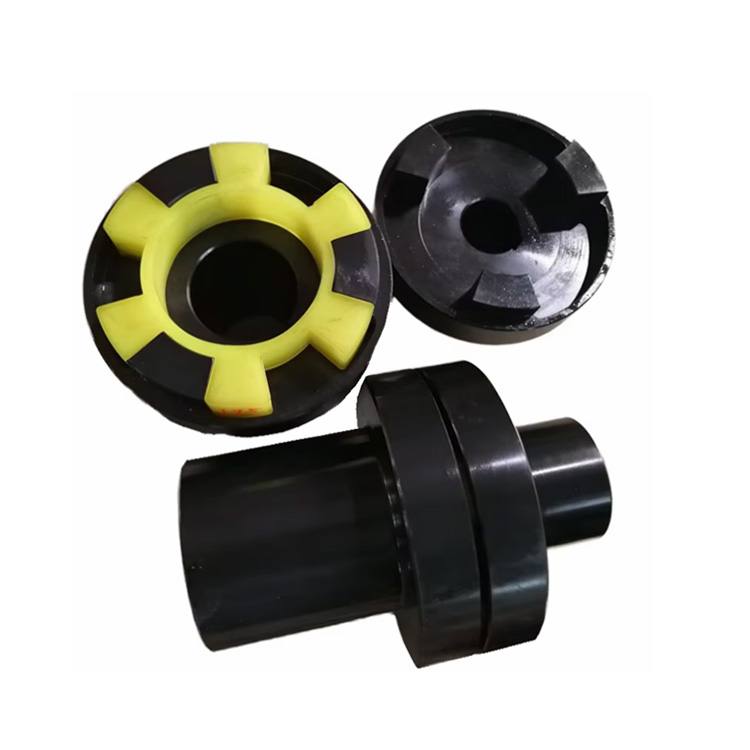
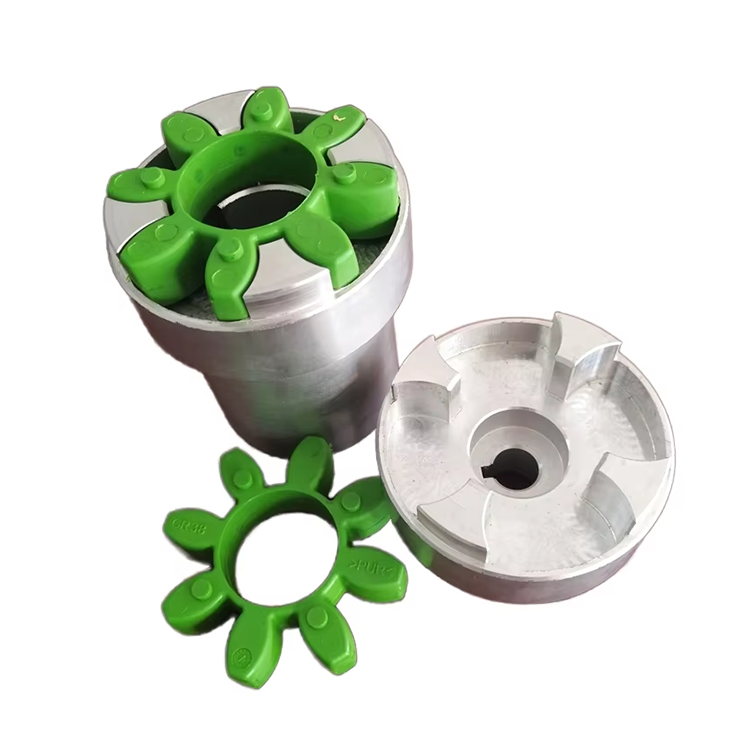
What Is a Shock Absorbing Coupling?
A shock absorbing coupling is a mechanical device used to connect two rotating shafts, while offsetting misalignment and absorbing vibration or shock loads. Unlike rigid couplings, which transfer force directly, shock absorbing couplings are equipped with elastic or damping components such as rubber, polyurethane, or flexible metal structures. Their primary functions are to:
·Minimize vibration transmission between connected shafts
·Absorb sudden torque surges or impact loads
·Protect motors, gearboxes, and driven equipment
·Enhance the overall smoothness and reliability of the system
How Shock Absorbing Couplings Reduce Mechanical Vibration
Mechanical vibration arises when rotating components produce unbalanced forces or encounter sudden load changes. Without adequate damping, these vibrations propagate through the system and cause gradual damage over time. Shock absorbing couplings tackle this issue through several mechanisms:
1. Elastic Deformation for Energy Absorption
The flexible elements within the coupling deform under load, converting kinetic energy into heat. This process substantially reduces the amount of vibration transferred to connected components.
2. Damping of Torque Fluctuations
In systems where torque is inconsistent—such as pumps, compressors, or conveyor systems—shock absorbing couplings smooth out these fluctuations and stabilize power delivery.
3. Isolation of Shaft Misalignment
Even slight misalignment can generate vibration. These couplings compensate for angular, radial, and axial misalignment, avoiding unnecessary stress on bearings and shafts.
Key Benefits in Industrial Applications
Incorporating shock absorbing couplings into mechanical systems offers several long-term advantages:
Extended Equipment Lifespan
By reducing stress on bearings, seals, and shafts, these couplings help prolong the service life of critical machinery components.
Lower Maintenance Costs
Reduced vibration leads to fewer breakdowns, less component wear, and longer intervals between maintenance tasks.
Improved Operational Efficiency
Stable torque transmission results in smoother machine operation and higher overall efficiency.
Noise Reduction
Vibration is a major source of industrial noise. Shock absorbing couplings contribute to creating a quieter working environment.
Common Applications
Shock absorbing couplings are widely applied across various industries, including:
Manufacturing equipment (CNC machines, production lines)
Pumps and compressors
Conveyor systems
Agricultural machinery
Mining and heavy-duty equipment
Power generation systems
In each of these fields, vibration control is crucial for maintaining productivity and safety.
Types of Shock Absorbing Couplings
Different industrial requirements call for different coupling designs. Common types include:
·Elastomeric couplings – Utilize rubber or polyurethane inserts for high flexibility
·Jaw couplings – Feature interlocking jaws with damping inserts
·Gear couplings with flexible elements – Suitable for high-torque applications
·Oldham couplings – Designed to compensate for parallel misalignment
·Each type offers a unique balance between torque capacity, flexibility, and damping performance.
How to Choose the Right Coupling
Selecting the appropriate shock absorbing coupling depends on several key factors:
Torque requirements
Shaft size and alignment conditions
Operating speed
Environmental conditions (temperature, dust, corrosion)
Level of vibration and shock load
Proper selection ensures optimal performance and prevents premature failure.
Conclusion
Shock absorbing couplings play a vital role in reducing mechanical vibration and protecting industrial equipment from shock and misalignment. By enhancing stability, extending equipment lifespan, and lowering maintenance costs, they are an indispensable component in modern power transmission systems. For industries that rely on continuous and stable operation, investing in the right coupling solution is more than just an upgrade—it is a necessity for long-term efficiency and reliability.
References
GB/T 7714:An experimental study on the torsional stiffness and limit torque of a jaw coupling with consideration of spacer's hardness and installation methods. Journal of Mechanics
MLA:Influence of changes in the working temperature of flexible couplings on their stiffness characteristics. Transport Problems
APA:Damping Performance of Elastomeric Shock Absorbing Couplings in Industrial Pump Systems. Journal of Materials Processing Technology