

In contemporary industrial engineering, precision, dependability, and efficiency are crucial elements that define the performance of mechanical systems. Among the numerous components contributing to seamless power transmission, the metal elastic coupling plays an indispensable role. It is extensively utilized to connect rotating shafts, while offsetting misalignment, dampening vibrations, and enhancing the overall stability of the system. This article explores the main applications of metal elastic couplings in modern mechanical systems and elaborates on why they are essential in today’s high-performance industrial sectors.
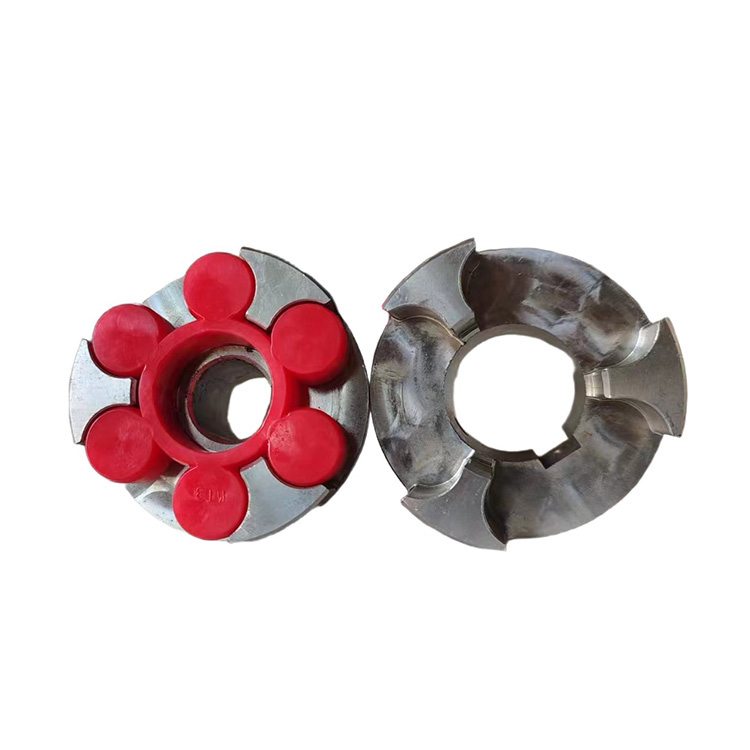
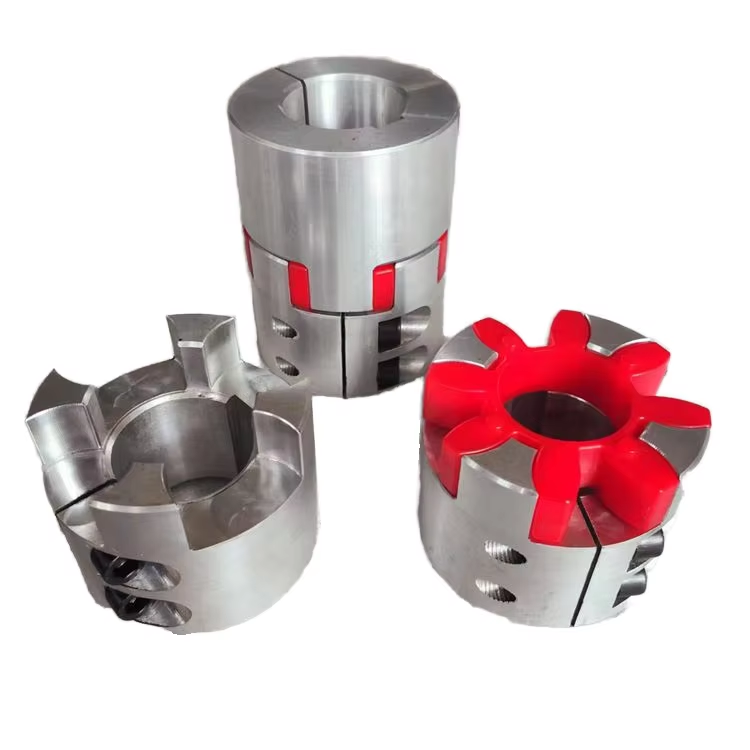
1. The Function of Metal Elastic Couplings in Power Transmission Systems
In mechanical drive systems, torque needs to be transmitted from one shaft to another efficiently. However, in practical applications, perfect alignment between shafts is hardly achievable due to manufacturing tolerances, thermal expansion, and dynamic loads. A metal elastic coupling addresses this issue by offering flexibility while preserving torsional rigidity. It ensures smooth torque transfer even when slight angular, radial, or axial misalignment occurs. This makes it an optimal solution for systems that require both precision and durability.
2. Applications in CNC Machinery and Automation Equipment
One of the most significant application fields for metal elastic couplings is CNC machines and automated production systems. These machines require extremely high positioning accuracy; any vibration or backlash can lead to machining errors. Metal elastic couplings contribute by:
Dampening vibrations between the motor and lead screw
Compensating for micro-misalignments
Ensuring precise motion control
Enhancing repeatability in automated operations
Consequently, they are widely employed in CNC milling machines, laser cutting equipment, and robotic arms.
3. Usage in Servo Motor and Encoder Systems
Servo systems demand rapid response and high precision. In such environments, even minor mechanical flaws can impact feedback accuracy. Metal elastic couplings are commonly used between:
Servo motors and ball screws
Motors and encoders
Actuators and drive shafts
They provide a rigid yet flexible connection that guarantees accurate signal transmission while minimizing backlash. This enhances control performance and system responsiveness.
4. Applications in Industrial Pumps and Compressors
Industrial pumps and compressors operate under continuous loads and often in harsh environments. Misalignment and vibration are common challenges in these systems. Metal elastic couplings assist by:
Absorbing shock loads during startup and shutdown
Reducing wear on bearings and seals
Improving energy transmission efficiency
Extending the service life of equipment
They are particularly valuable in centrifugal pumps, air compressors, and hydraulic systems.
5. The Role in Packaging and Printing Machinery
High-speed packaging and printing machines require synchronized motion between multiple components. Any vibration or timing error can affect product quality. Metal elastic couplings ensure:
Smooth rotational motion at high speeds
Reduced noise and vibration
Stable synchronization between shafts
Enhanced operational reliability
This makes them a key component in packaging lines, printing presses, and labeling machines.
6. Applications in Textile and Light Industry Equipment
In textile machinery, continuous operation and high-speed rotation are common. Equipment such as spinning machines, weaving machines, and winding systems rely heavily on stable torque transmission. Metal elastic couplings are used to:
Compensate for shaft misalignment caused by long operating hours
Reduce mechanical wear
Maintain consistent tension and speed control
Improve production efficiency
7. Universal Benefits Across All Mechanical Systems
Regardless of the industry, metal elastic couplings offer several universal advantages:
High torsional stiffness combined with flexibility
Excellent vibration damping performance
Compensation for multi-directional misalignment
Long service life with minimal maintenance requirements
Enhanced system reliability and safety
These benefits make them indispensable in modern mechanical design.
Conclusion
Metal elastic couplings are essential components in a wide range of modern mechanical systems. From precision CNC machines to heavy-duty industrial pumps, they ensure stable torque transmission, reduce mechanical stress, and improve overall equipment performance. As industries continue to pursue higher precision and efficiency, the role of metal elastic couplings will become even more prominent in future mechanical engineering applications.
References
GB/T 7714:Design and Application of KB4 Series Metal Bellows Couplings in Servo Drive Systems. Journal of Mechanical Transmission
MLA:Application of Metal Diaphragm Elastic Couplings in CNC Machine Tools and Precision Transmission Systems. Journal of Advanced Manufacturing Technology
APA:Mechanical Strength Analysis of Elastic Couplings with Metallic Flexible Membranes. WSEAS Transactions on Mechanical Engineering