

Hubs Form the Core Connection to Shafts
A Coupling begins with hubs, which are the primary interface between the rotating shafts and the coupling assembly. Typically manufactured from high-strength steel or alloy materials, hubs are designed to securely mount onto shafts using keyways, splines, or interference fits. Their role is critical because any failure at this interface directly affects torque transmission efficiency and system reliability.
Sleeves or Housings Provide Structural Support
The sleeve, sometimes referred to as the housing, connects the hubs and maintains the structural integrity of the Coupling. Depending on the design, this component may also protect internal elements from environmental exposure. Precision machining ensures tight tolerances, which are essential for minimizing vibration during operation.
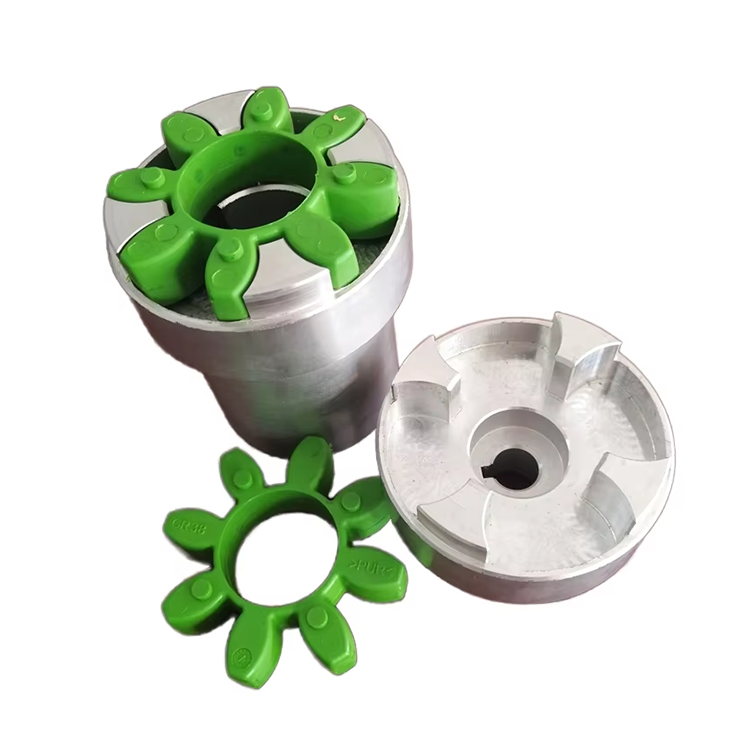
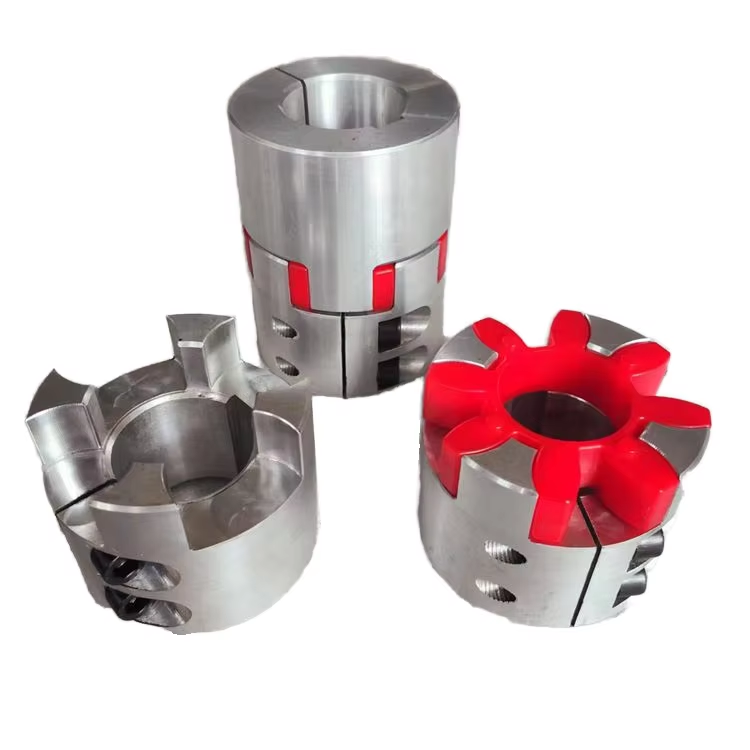
Flexible Elements Absorb Misalignment
Flexible elements are a defining feature in many Coupling designs. These components accommodate angular, parallel, and axial misalignment between shafts. Materials such as elastomers, metallic grids, or composite discs are commonly used. Their ability to absorb shock loads and dampen vibrations significantly extends equipment lifespan.
Fasteners Secure the Assembly Under Load
Bolts, nuts, and locking mechanisms ensure that all components remain firmly connected during operation. In high-torque applications, fastener integrity is critical. Engineers often specify high-grade fasteners with precise torque values to prevent loosening under dynamic loads.
Sealing Systems Protect Internal Components
In industrial environments, contaminants such as dust, moisture, and chemicals can compromise Coupling performance. Seals and gaskets are used to protect internal components, especially in gear and grid couplings. Proper sealing enhances durability and reduces maintenance requirements.
Lubrication Channels Improve Operational Efficiency
Certain Coupling types, particularly gear couplings, require lubrication to reduce friction and wear. Internal channels or reservoirs distribute lubricant evenly across contact surfaces. Regular maintenance ensures consistent performance and prevents premature failure.
Alignment Features Ensure Smooth Operation
Alignment marks or features built into the Coupling help technicians achieve proper installation. Misalignment is one of the leading causes of coupling failure, making these features essential for long-term reliability.
Material Selection Influences Performance
The choice of materials for each component directly impacts strength, corrosion resistance, and temperature tolerance. Engineers select materials based on application requirements, ensuring the Coupling performs reliably under specific operating conditions.
Coupling
References
Muszynska, A. Rotordynamics
Gibbons, C.B. Mechanical Design of Couplings