

Introduction In modern industrial systems, dependable power transmission is vital for sustaining efficiency, productivity, and operational safety. Industrial gear couplings are widely acknowledged for their capacity to transfer high torque while accommodating misalignment in heavy-duty operations. From mining machinery to steel factories, these couplings play a pivotal role in ensuring the smooth and stable performance of equipment.
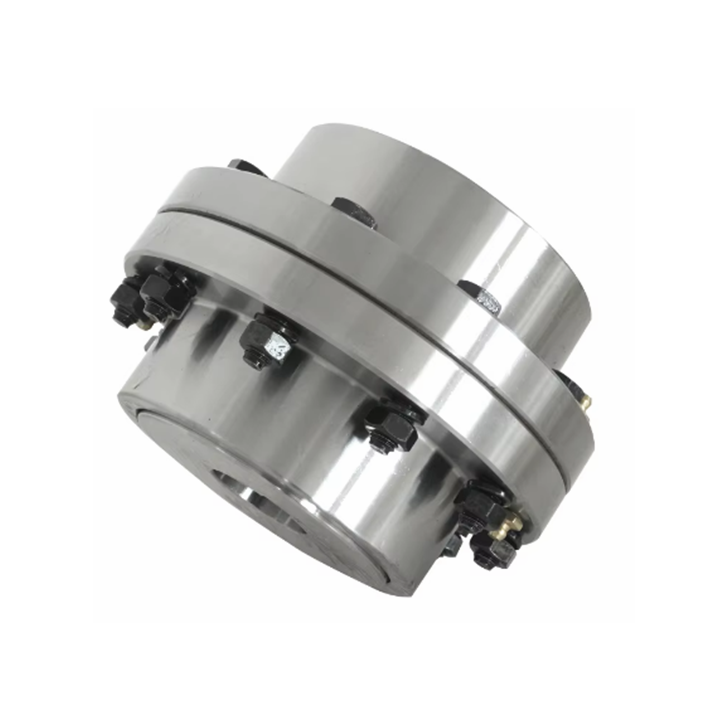
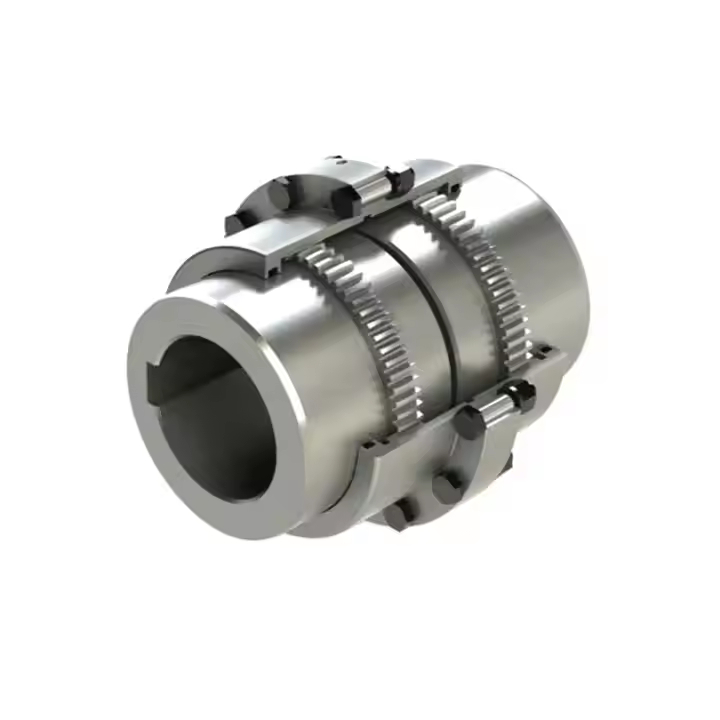
What is an Industrial Gear Coupling?
An industrial gear coupling is a mechanical component designed to connect two rotating shafts and transmit torque simultaneously. It comprises two hubs with external teeth and a sleeve with internal teeth, which allows for minor angular, parallel, and axial misalignment between the shafts. This distinctive design enables gear couplings to bear high torque loads, making them well-suited for demanding industrial settings.
Key Features and Advantages
1. High Torque Capacity
Gear couplings are engineered to transfer large quantities of torque, making them suitable for heavy-duty machinery such as crushers, conveyors, and rolling mills.
2. Misalignment Compensation
They can accommodate three types of misalignment:
·Angular misalignment
·Parallel offset
·Axial movement
This flexibility alleviates stress on connected equipment and prolongs its service life.
3. Durable Construction
Typically fabricated from high-grade alloy steel, industrial gear couplings offer the following benefits:
·Outstanding wear resistance
·Extended service life
·High load-bearing capacity
4. Compact Design
Despite their strong torque-transmitting capability, gear couplings are relatively compact, facilitating efficient installation in spaces with limited room.
5. High Efficiency
With minimal backlash and high transmission efficiency, they guarantee optimal performance in continuous operational scenarios.
Common Applications
Industrial gear couplings are extensively used across various industries, including:
·Mining Industry – crushers, conveyors, and ball mills
·Steel and Metallurgy – rolling mills and continuous casting machines
·Cement Plants – rotary kilns and grinding systems
·Power Generation – turbines, generators, and pumps
·Oil & Gas – compressors and drilling equipment
How to Choose the Right Gear Coupling
Selecting the appropriate industrial gear coupling relies on several key factors:
1. Torque Requirements
Determine the maximum torque your system needs to handle, including peak load conditions.
2. Shaft Size and Alignment
Ensure compatibility with shaft diameters and take into account the degree of misalignment expected.
3. Operating Environment
For harsh working conditions, select couplings equipped with:
·Corrosion-resistant coatings
·Sealed lubrication systems
4. Speed and Load Conditions
Consider the operating speed and whether the application involves shock loads or continuous operation.
5. Maintenance Needs
Opt for designs that allow for easy lubrication and inspection to minimize downtime.
Maintenance Tips for Longer Service Life
Proper maintenance is crucial to maximize the lifespan of industrial gear couplings:
·Regularly inspect for signs of wear and misalignment
·Ensure proper lubrication to reduce friction and wear
·Check seals to prevent contamination from dust, moisture, or debris
·Replace worn components promptly to avoid further damage
Routine maintenance helps prevent unexpected failures and enhances overall system reliability.
Why Choose Our Industrial Gear Couplings?
As a professional manufacturer, we supply high-quality industrial gear couplings designed to meet global standards and cater to demanding industrial applications.
Our Advantages:
·Premium Materials: High-strength alloy steel for exceptional durability
·Precision Manufacturing: Ensures smooth operation and a long service lifespan
·Custom Solutions: Tailored designs to meet specific industrial requirements
·Strict Quality Control: Delivers reliable performance even in harsh environments
·Global Supply Capability: Serving clients around the world
Whether you need standard models or customized solutions, our products provide consistent performance, high torque transmission, and long-term reliability.
Conclusion
Industrial gear couplings are a critical component in heavy-duty power transmission systems. Their ability to handle high torque, compensate for misalignment, and operate in challenging environments makes them a preferred choice across multiple industries. Choosing the right coupling and maintaining it properly can significantly enhance equipment performance and reduce operational costs. If you are seeking dependable and high-performance power transmission solutions, our industrial gear couplings are the ideal choice for your next project.
References
GB/T 7714:High-Torque Industrial Gear Couplings: Design Optimization and Performance Evaluation. Journal of Mechanical Engineering and Power Transmission
MLA:Misalignment Compensation Capability of Industrial Gear Couplings in Heavy-Duty Rotating Systems. Journal of Vibration and Control
APA:Durability Analysis of Alloy Steel Industrial Gear Couplings Under Harsh Industrial Environments. Materials Science and Engineering A