

In modern industrial machinery, reliable power transmission between rotating shafts is crucial for sustaining efficiency and minimizing equipment wear. A widely adopted solution is the Elastic Sleeve Pin Shaft Coupling, a flexible coupling engineered to transmit torque while absorbing shock loads and offsetting minor shaft misalignment. Owing to its simple structure, durability, and excellent vibration-damping performance, the elastic sleeve pin shaft coupling is commonly applied in pumps, fans, compressors, conveyors, and numerous other industrial drive systems.
What Is an Elastic Sleeve Pin Shaft Coupling?
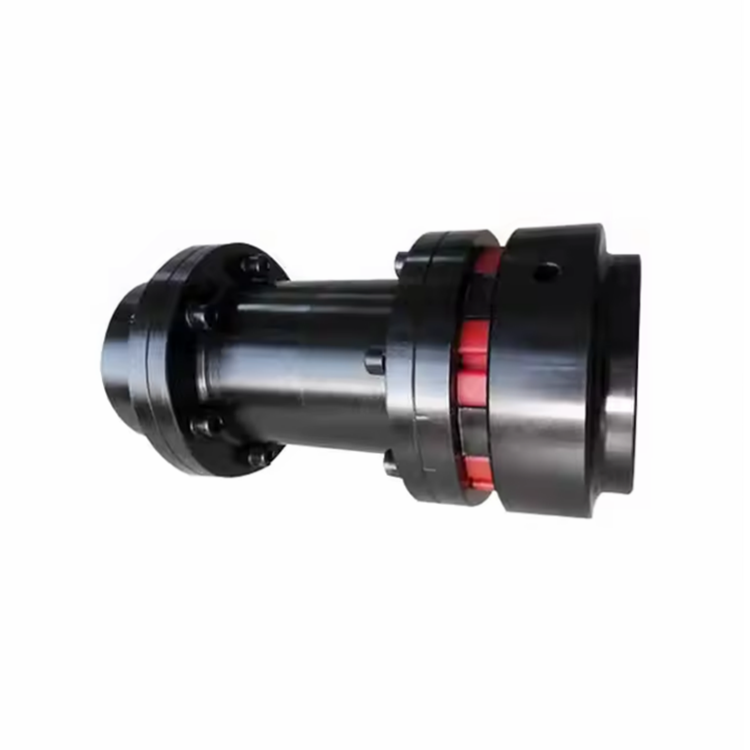
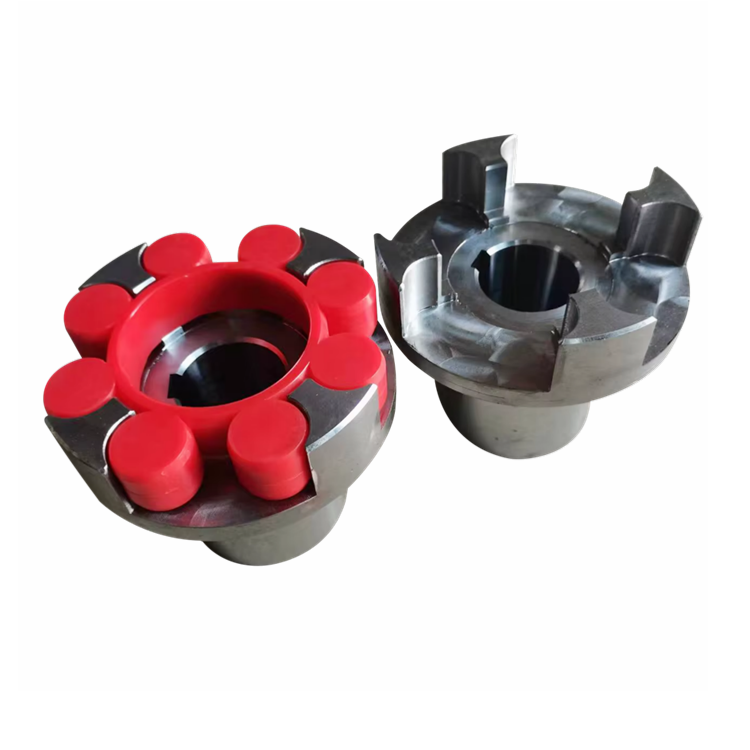
An Elastic Sleeve Pin Shaft Coupling is a kind of flexible coupling that connects two rotating shafts by means of steel pins and elastic sleeves made of rubber or other resilient materials. The elastic sleeves are mounted on the pins and function as cushioning elements between the two coupling hubs. When the shafts rotate, torque is transferred through the pins while the elastic sleeves compress slightly. This elastic deformation enables the coupling to absorb vibration, reduce shock loads, and compensate for small alignment errors between the shafts. This design makes the coupling suitable for equipment operating under dynamic loads or conditions where vibration control is a priority.
Key Features of Elastic Sleeve Pin Shaft Couplings
Simple and Compact Structure
Elastic sleeve pin couplings feature a relatively simple mechanical design, mainly consisting of two hubs, steel pins, and elastic sleeves. This straightforward structure facilitates easy manufacturing, installation, and maintenance.
Effective Shock Absorption
The rubber or elastic sleeves provide cushioning that absorbs shocks and vibration generated during operation. This helps protect connected machinery such as motors, gearboxes, and pumps from damage.
Misalignment Compensation
The elastic elements allow the coupling to accommodate small axial, radial, and angular misalignments between the connected shafts. This reduces mechanical stress and enhances operational reliability.
Stable Torque Transmission
Despite its flexible structure, the coupling can transmit torque efficiently and maintain stable rotation in a wide range of industrial applications.
Easy Maintenance
The elastic sleeves are replaceable components. When they become worn, they can be replaced quickly without disassembling the entire coupling assembly, reducing downtime and maintenance costs.
Main Components of the Coupling
An elastic sleeve pin shaft coupling typically comprises the following components:
Coupling Hubs
The two hubs are installed on the driving and driven shafts. They serve as the main structural components that hold the coupling together.
Steel Pins
The pins transfer torque between the hubs and provide structural support for the elastic sleeves.
Elastic Sleeves (Rubber Bushings)
These sleeves are placed over the pins and deliver flexibility, vibration damping, and shock absorption.
Fasteners
Bolts and nuts secure the pins and ensure the stability of the coupling assembly.
Advantages in Industrial Applications
Elastic sleeve pin shaft couplings offer several practical advantages in industrial drive systems. One major benefit is their ability to reduce vibration and shock. The elastic sleeves absorb sudden load changes, protecting machinery from mechanical stress and extending equipment service life. Another advantage is their capacity to tolerate minor shaft misalignment. In many industrial environments, perfect alignment is difficult to maintain, and flexible couplings help compensate for these deviations. They are also cost-effective compared to many other flexible coupling designs. Their simple construction lowers manufacturing costs while still delivering reliable performance. Additionally, maintenance is uncomplicated because worn elastic sleeves can be replaced easily, minimizing machine downtime.
Typical Applications
Elastic sleeve pin shaft couplings are used in a broad range of industrial machinery, including:
·Water pumps and centrifugal pumps
·Industrial fans and blowers
·Air compressors
·Belt conveyors and material handling systems
·Mixers and agitators
·Mining and construction equipment
·Agricultural machinery
·General industrial power transmission systems
These applications often involve vibration, fluctuating loads, or frequent start-stop cycles, making flexible couplings an ideal solution.
Selection Considerations
When selecting an elastic sleeve pin shaft coupling for an industrial system, several factors should be taken into account. First, the required torque capacity must match the power and load conditions of the equipment. Choosing a coupling that is too small can result in premature wear or failure. Second, the shaft diameter and installation dimensions must align with the coupling specifications to ensure a proper fit and secure connection. Operating speed and environmental conditions should also be considered. High-speed equipment or harsh environments may require specific materials or reinforced designs. Finally, it is important to evaluate the load characteristics of the system, especially if the equipment experiences shock loads or frequent starting and stopping.
Maintenance and Inspection
Regular inspection helps maintain the performance and reliability of elastic sleeve pin shaft couplings. Operators should periodically check the condition of the elastic sleeves for signs of wear, cracking, or deformation. If the sleeves are damaged, they should be replaced promptly. It is also crucial to check that all bolts and pins remain properly tightened. Loose components can cause vibration, noise, and potential equipment damage. Proper shaft alignment during installation also helps reduce stress on the coupling and extends its service life.
Conclusion
The Elastic Sleeve Pin Shaft Coupling is a practical and reliable solution for industrial power transmission systems. Its flexible design allows it to absorb vibration, reduce shock loads, and compensate for shaft misalignment while maintaining efficient torque transmission. With its simple structure, easy maintenance, and wide range of applications, this type of coupling remains an important component in many industrial machines and drive systems. For industries seeking durable and cost-effective shaft connection solutions, elastic sleeve pin shaft couplings provide dependable performance and long-term operational benefits.
References
GB/T 7714: The Experimental Study of Elastic-Hysteresis Properties of Rubber Elements of Sleeve-Pin Couplings. Vibro Engineering Procedia
MLA:Vibration Damping Performance of Elastic Sleeve Pin Shaft Couplings in Industrial Drive Systems. Journal of Mechanical Transmission
APA:Structural Stability of Steel Pins for Elastic Sleeve Pin Shaft Couplings. Materials Science and Engineering